The Global Overview
The Hormuz Pressure Point
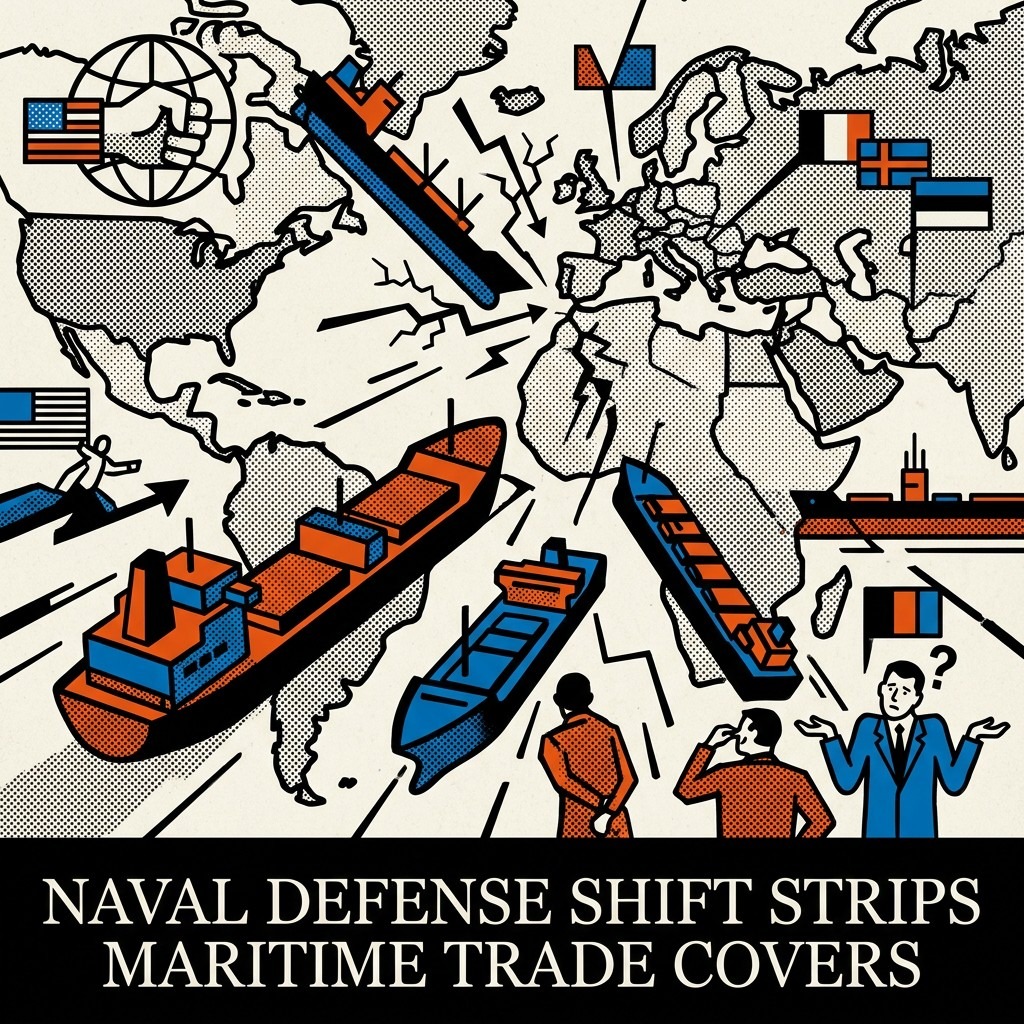
President Trump’s warning to European allies regarding the Strait of Hormuz underscores a shift in global security: he expects NATO to shoulder more of the burden for protecting vital energy chokepoints (FT). With EU ministers meeting to manage potential supply shocks, Norway is positioning itself as a critical energy lifeline (Politico). The ripple effects are profound; Beijing’s reliance on Iranian oil is now a liability, threatening its own supply security as it balances diplomatic ties with economic reality (WSJ). For ordinary citizens, this geopolitical brinkmanship signals that the era of cheap, reliable energy transit is fragile, with supply disruptions likely to manifest as higher utility bills and sustained inflationary pressure.
Resilience Amidst Headwinds
Contrasting the macro malaise, Syngenta is deploying $120 million into a U.K. agricultural science center, a rare vote of confidence in British research (FT). This move highlights geographic arbitrage—the strategic relocation of capital to more stable regulatory environments—as a hedge against broader national volatility. Markets remain hyper-vigilant for a shock, which refers to a sudden, unexpected event that triggers a sharp and often painful repricing of financial assets (FT). Investors should remain cautious; while innovation continues in pockets, the overarching economic climate demands rigorous risk management to survive the coming weeks.
Stay tuned for the next Gist—your edge in a shifting world. The Gist remains independent and reader-supported. If you value news free from corporate or state interests, consider supporting our mission with a donation.
|


Leave a Reply