The Global Overview
The Reflationary Shock
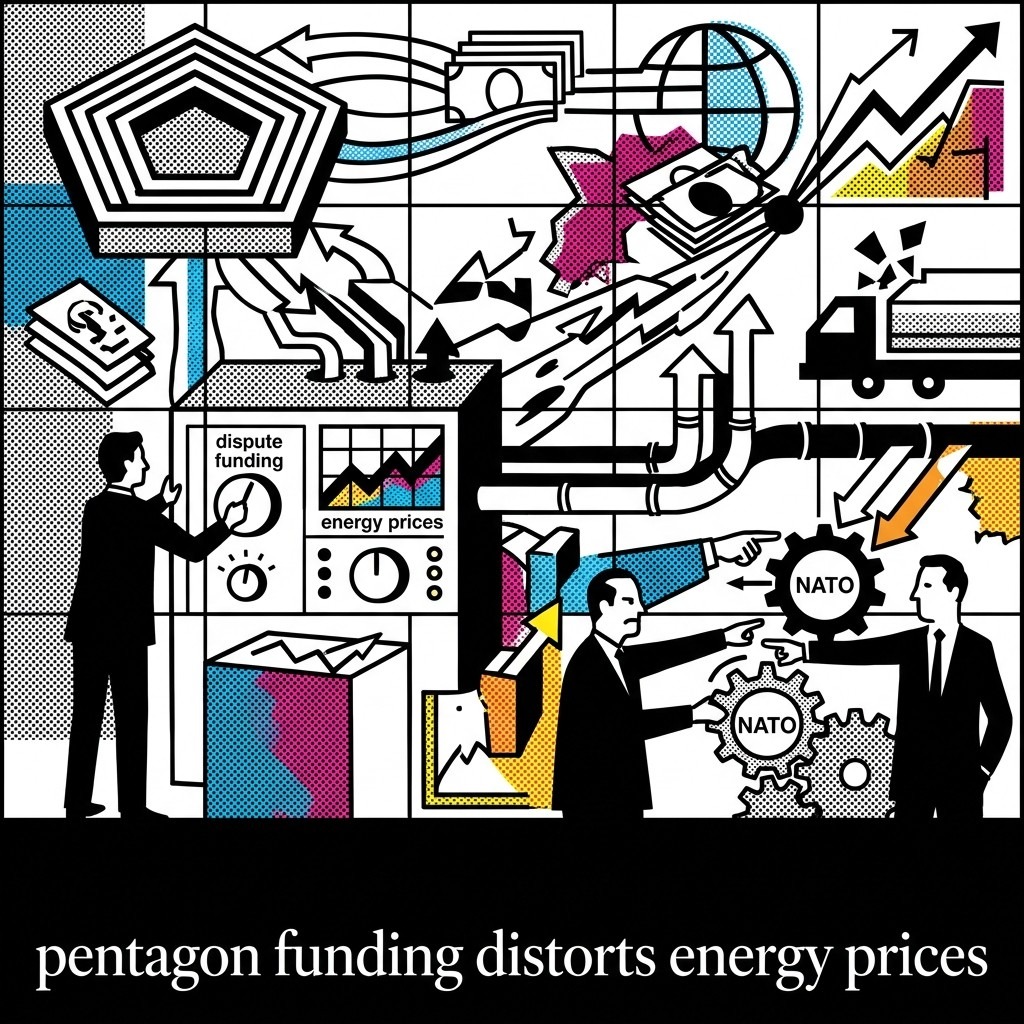
The war in Iran has recalibrated the macro environment, shattering the market’s consensus on imminent Federal Reserve easing. Bond traders are aggressively unwinding bets on rate cuts as crude prices spike, essentially trading the “soft landing” narrative for renewed, energy-driven inflation (Bloomberg). With yields adjusting, capital is fleeing risk assets; markets are realizing that energy costs—the primary input for global production—are no longer contained. As the FT notes, the fiscal measures vulnerable economies are already adopting to absorb this shock represent only the beginning of a broader systemic liquidity strain.
Silicon Supply Integrity
Parallel to energy volatility, the AI supply chain faces acute structural scrutiny. The charges against a Super Micro co-founder for smuggling restricted AI chips to China expose the fragility of current export controls. This is not merely corporate malfeasance; it is a critical failure of oversight. As Future Today Strategy CEO Amy Webb warns, the “future of business and warfare is directly tied to AI and chips,” making smuggling channels a primary vector for eroding US competitive advantage. We are seeing a pivot from commercial expansion to strict defensive perimeter management.
The Risk of Policy Intervention
Political temptation to mitigate domestic fuel costs via oil export bans carries profound systemic risks. Stephen Schork warns such a move would be “catastrophic,” functioning as political theater rather than stabilization (Bloomberg). Imposing a ban would choke US leverage in global crude markets and likely exacerbate the very price shocks policymakers seek to dampen. Efficient capital flow requires predictability; autarkic energy policies, while populist, serve only to accelerate global fragmentation.
Stay tuned for the next Gist—your edge in a shifting world. The Gist remains independent and reader-supported. If you value news free from corporate or state interests, consider supporting our mission with a donation.
|


Leave a Reply