The Global Overview
Tehran’s Strategic Wedge
Tehran’s permission for Japanese vessels to transit the Strait of Hormuz is a calculated wedge against US sanctions. By guaranteeing energy flow, Iran exploits the rift between Washington’s maximum pressure and Tokyo’s resource needs. Coupled with President Trump’s assertion that the US is “very close” to military objectives (FT), the regional posture is shifting toward managed de-escalation. Iran is betting that energy dependency will fracture the US-led maritime coalition, forcing a decoupling of American geopolitical aims from the economic realities of its allies.
The Starlink-Frontline Nexus
Ukraine’s significant territorial gains underscore the tactical dominance of satellite infrastructure. Reports link these advances directly to the sudden denial of Starlink access for Russian forces (WSJ). This is a structural evolution where control over orbital constellations dictates theater sovereignty. As defense capacity hinges on private commercial tech, the state’s “black box” reliance on single-firm vendors creates an asymmetric vulnerability where private contracts—not just military strategy—now dictate geopolitical outcomes.
Monetary & Institutional Inertia
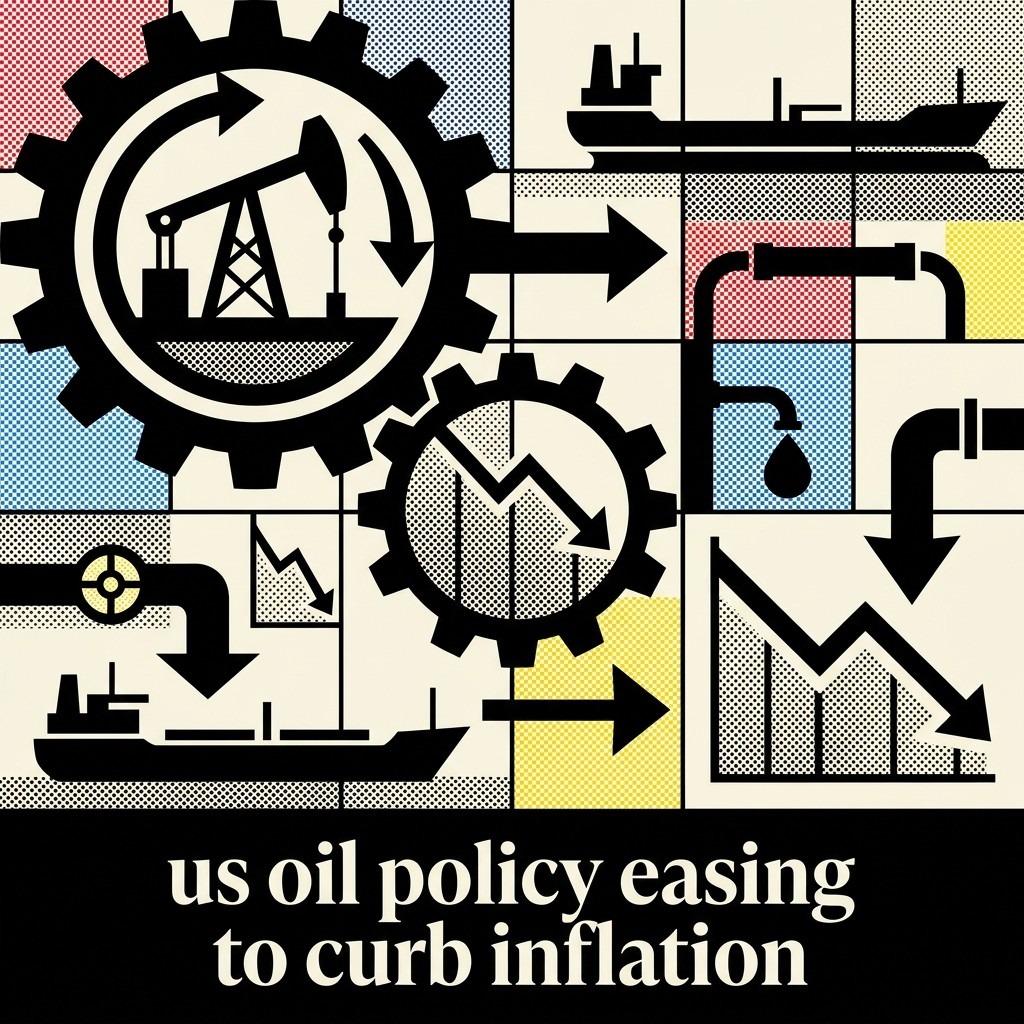
The Federal Reserve is holding rates steady, prioritizing stability against energy-driven inflationary shocks. With sovereign debt markets seeing “wild swings” (FT), policymakers fear triggering wider debt-servicing crises. Simultaneously, the Trump administration’s search for new CDC leadership amid administrative churn (Bloomberg) highlights a broader institutional fragility. This intersection of monetary paralysis and personnel gaps limits the state’s capacity to absorb external resource shocks, leaving the system brittle as it enters a period of heightened volatility.
Stay tuned for the next Gist—your edge in a shifting world. The Gist remains independent and reader-supported. If you value news free from corporate or state interests, consider supporting our mission with a donation.
|


Leave a Reply