The Global Overview
The Commodity War Dividend
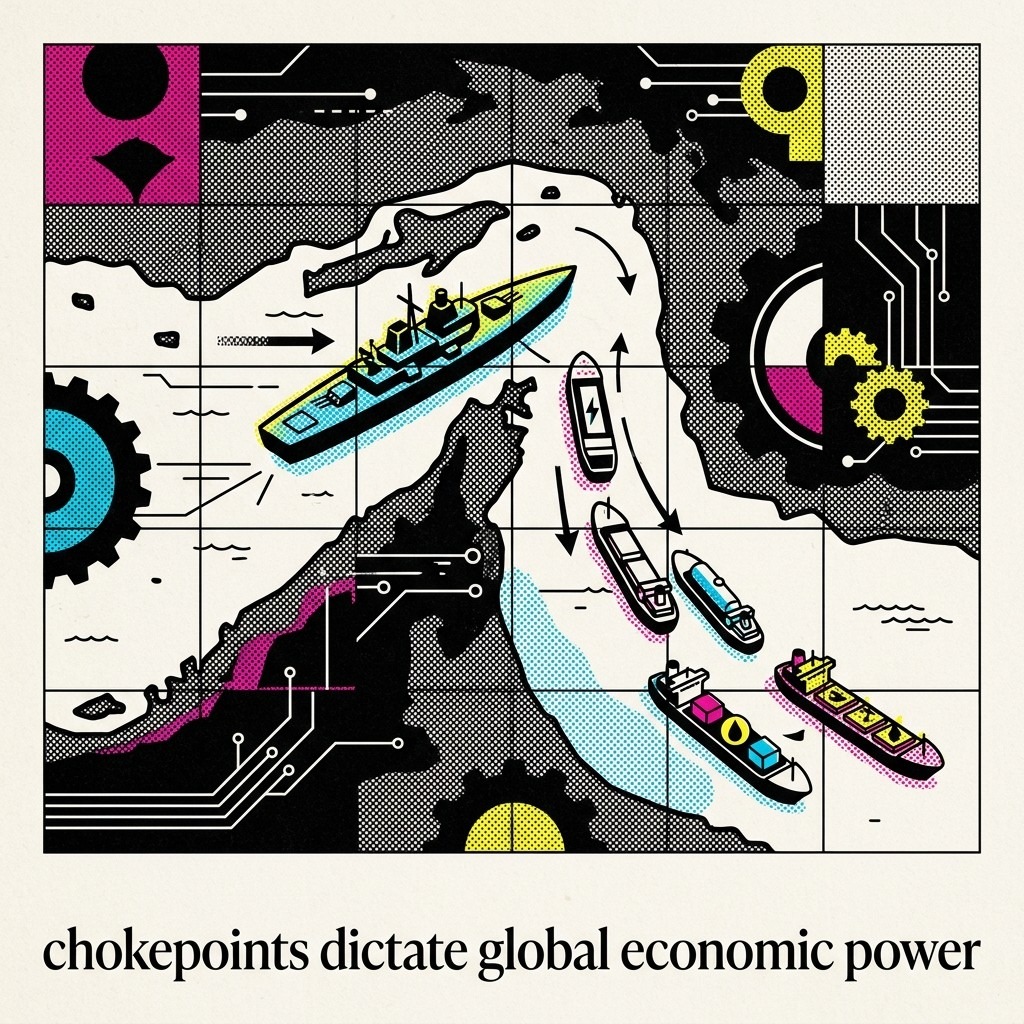
As Iran-related tensions threaten the Strait of Hormuz, the global energy system is experiencing a classic ‘bottleneck premium.’ Conflict-driven supply fears are spiking prices, triggering a massive redistribution of wealth toward resource exporters. Australia, for instance, is poised to capture a multi-billion dollar windfall in coal and gas revenues through 2030 (Bloomberg). For the broader economy, this acts as a structural tax on consumption; capital is flowing away from energy importers and into the coffers of secure, commodity-rich nations, deepening geopolitical divides.
Wall Street’s Reality Check
Markets are ending their worst quarter in four years (WSJ), as the ‘soft landing’ narrative frays. Investors are shifting from growth optimism to recession-proofing, a move that highlights deep systemic fragility. When central bank liquidity meets geopolitical shock, capital retreats to safety. The trend is clear: market participants are no longer betting on expansion, but on survival, stripping away the excesses of the previous year as the era of cheap, easy growth concludes.
Regulatory Fortress-Building
Global institutions are hardening their borders. Swiss lawmakers are signaling a compromise on a $22bn capital plan for UBS (FT), mandating higher buffers to contain systemic fallout. Simultaneously, the US and China continue defining trade through brute power-projection rather than market efficiency (FT). Think of this as the end of seamless globalization; nations are now building regional fortresses to manage risk, prioritizing sovereignty and internal stability over the cost-effective, hyper-connected supply chains of the last decade.
Stay tuned for the next Gist—your edge in a shifting world. The Gist remains independent and reader-supported. If you value news free from corporate or state interests, consider supporting our mission with a donation.
|


Leave a Reply