The European Perspective
Lunar Return as Strategic Assertion
Artemis 2 launched at 0:35 CET, ending a 50-year human hiatus from deep space (ZDF). This mission is more than scientific progress; it is a strategic demarcation of territory. By establishing a presence, state actors are signaling the opening of the lunar frontier for resource extraction. The structural incentive here is simple: power in the next decade will be defined by which nations establish the first sustainable infrastructure for orbital and lunar supply chains.
Trump’s Strait-Sized Pivot
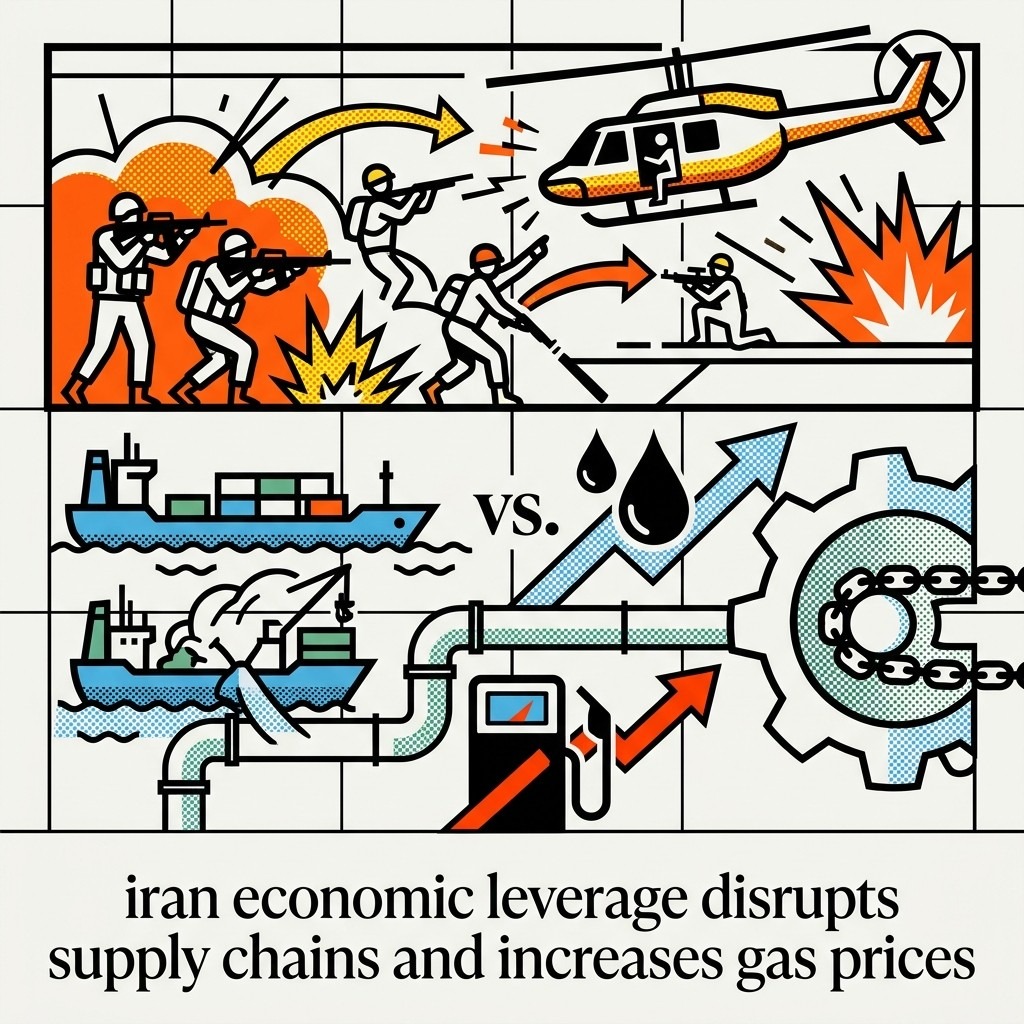
Donald Trump claims the Iran conflict is nearing resolution, effectively offloading Strait of Hormuz security responsibility onto allies (ZDF, Politico). By pivoting toward isolationist rhetoric, Washington is forcing Europe to choose between massive increases in naval defense expenditure or accepting higher risk to energy supply lines. Capital markets are reacting to the implied volatility, as the era of American-guaranteed maritime security appears to be receding.
German Economic Stagnation
German industry has delivered a damning 4.2 (D+) rating for federal economic policy (IFO). Coupled with Chancellor Merz’s controversial pledge to repatriate 80% of Syrian refugees by 2029, the coalition faces a dual crisis of demographic friction and fiscal inertia (Politico). The structural incentive for investors is increasingly clear: capital is actively seeking more predictable regulatory environments outside Germany’s borders.
Digital Sovereignty’s Frontline
Bulgaria’s looming election highlights a critical, non-obvious vulnerability: the weaponization of encrypted group chats (Politico). As state actors exploit private messaging for political interference, democratic integrity now rests on the security of digital infrastructure. Cybersecurity is no longer a niche IT concern; it is now a primary diplomatic barrier.
Catch the next Gist for the continent’s moving pieces.
|


Leave a Reply