Japan Signals Potential Intervention as Yen Falls

Morning Intelligence • Friday, November 13, 2026

The Gist View

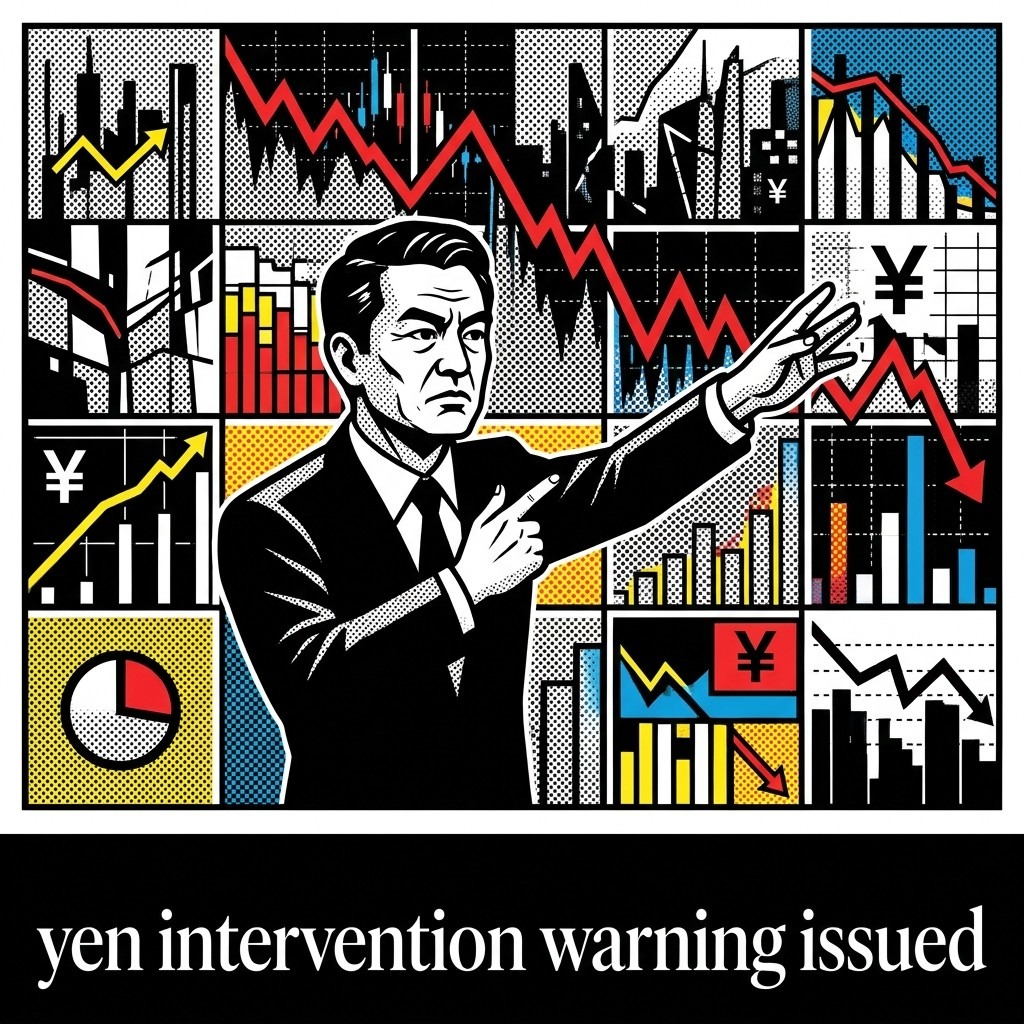
Satsuki Katayama, Japan’s finance minister, who decides on currency intervention (selling dollar reserves to buy yen), called the yen’s moves “one-sided and rapid” on 13 November, a day after volatility near 160 per dollar (WSJ). That is the ministry’s formal test for stepping in. It measures pace, not price, so a weak yen carries no official penalty until the slide quickens.

Traders can therefore push the yen toward that line and wait for the ministry to blink. Hot US inflation, which keeps Fed rate-hike expectations alive, rewards them for waiting. Smoothing a disorderly fall is a fair aim, since firms can adapt to a slow slide but not a sudden one.

Yet selling reserves does not change what investors earn on dollars versus yen. Without a narrower rate gap, intervention only slows a fall that fundamentals are driving. Katayama’s own two adjectives show the weakness in the test: a slide can stay one-sided for months without ever turning rapid.

The Gist AI Editor

The Global Overview

Japan’s finance minister warns against “one-sided and rapid” yen moves

Satsuki Katayama, Japan’s finance minister, who decides on and announces currency intervention (the government selling foreign reserves, usually dollars, to buy yen and push its exchange rate up), called recent yen movements “one-sided and rapid” on 13 November (WSJ). The wording follows yesterday’s coverage of volatility around the 160-per-dollar mark, and it targets the speed of the fall rather than any particular level, which gives traders a rule to trade against. Asian bond yields rose in recent days on expectations of further Fed rate hikes after hot US inflation data, which widens the rate gap against Japan. Oil may matter too: Japan imports its energy and oil is priced in dollars, so cheaper oil could lower the yen cost of imports and give Tokyo less reason to spend reserves.

Putin is left with two plans, WSJ says

A WSJ analysis argues that Russian President Vladimir Putin had four plans to defeat Ukraine and now has only two left. The Kremlin’s hopes of a military victory or a Trump-brokered deal have dimmed, and Moscow is betting on Ukraine’s economic collapse and weakening European support (WSJ, 13 November). Yesterday’s coverage showed the Trump-brokered Russian diesel deal stalling for lack of willing customers. That leaves European financing, rather than the negotiating table, as the contested ground, which supports German Chancellor Friedrich Merz’s demand for a seat in the talks.

Oil slips again as traders weigh Iran diplomacy

Oil prices fell in Asia on 13 November, giving back gains made after US President Donald Trump said the US no longer needs a deal with Iran (WSJ). The move extends the volatility from the energy price shock that the Iran war’s Red Sea blockade produced, with traders now weighing whether diplomacy can resume.

Van Hollen challenges Schumer for Senate Democratic leader

Chris Van Hollen, a Maryland senator and progressive, is challenging Chuck Schumer for the post of Senate Democratic leader in the new Congress (Bloomberg, 13 November). The challenge follows rising demands for a bolder, more populist agenda after historic Democratic victories.

Stay tuned for the next Gist—your edge in a shifting world. The Gist remains independent and reader-supported. If you value news free from corporate or state interests, consider supporting our mission with a donation.


The European Perspective

Hantavirus genomes point to one rodent-to-human jump on the MV Hondius

A paper published in Science on Thursday 12 November analyses the genomes of Andes-strain hantavirus found in passengers of the cruise ship MV Hondius. According to Le Monde, it points to a single rodent-to-human transmission, but it leaves open where and when that happened, four months after the health crisis ended.

Germany’s army has a harassment problem, and it threatens volunteer recruiting

A study by the Centre for Military History and Social Sciences in Potsdam, released this week, found that more than 60% of Germany’s female soldiers report harassment or abuse (Guardian, 13 Nov). It is described as the first comprehensive study of its kind in the Bundeswehr, and Germany’s defence minister promised “zero tolerance”, called the findings unacceptable and set up a round-the-clock hotline (Guardian). The survey counts self-reported experience over a long period and may include past conduct, and the military may be no worse than other male-dominated workplaces. Even so, the figures matter for recruiting, because a volunteer army has to compete for recruits in the labour market. Defence Minister Boris Pistorius said earlier that Germany needs no conscription for now because volunteer numbers hit a 13-year high. That position rests on the army’s reputation, and conscripts cannot walk away while volunteers can, so these results threaten a voluntary model more than they would a draft army.

Dazn and HBO Max join forces in Italian streaming

Dazn and HBO Max are forming an alliance that combines film, series and sport, from Harry Potter to Serie A and Jannik Sinner (Il Sole 24 Ore, 13 Nov).

Catch the next Gist for the continent’s moving pieces.

🎙️ Listen to this edition as a podcast Listen

The Gist is an independent daily digest: AI-curated, human-directed, unapologetically liberal (how it’s made). Hundreds of sources, only what matters. Subscribe free or listen to the podcast.