The Global Overview
The Autocratic Realignment
Tehran is discarding its neutrality. Foreign Minister Abbas Araghchi recently confirmed “military cooperation” with Moscow and Beijing, labeling them strategic partners against Western influence (Politico). This signals a stark cultural shift: from sporadic geopolitical opportunism to a coordinated anti-liberal bloc. For professionals, the post-Cold War era of global integration is receding, replaced by a hardened, cross-continental axis determined to challenge liberal norms and rewrite the rules of supply chain security.
Energy as Existential Leverage
President Zelenskyy’s condemnation of European pressure to restore the Druzhba oil pipeline as “blackmail” highlights a fracturing in Western cohesion (Politico). While Europe prioritizes mitigating energy costs via this pipeline—a critical artery for continental supply—Ukraine views the flow as an unacceptable concession to its aggressor. It is a fundamental clash of values: the cultural preference for immediate material comfort versus the stark necessity of existential survival, exposing how energy dependency tests the limits of political solidarity.
Institutional Friction
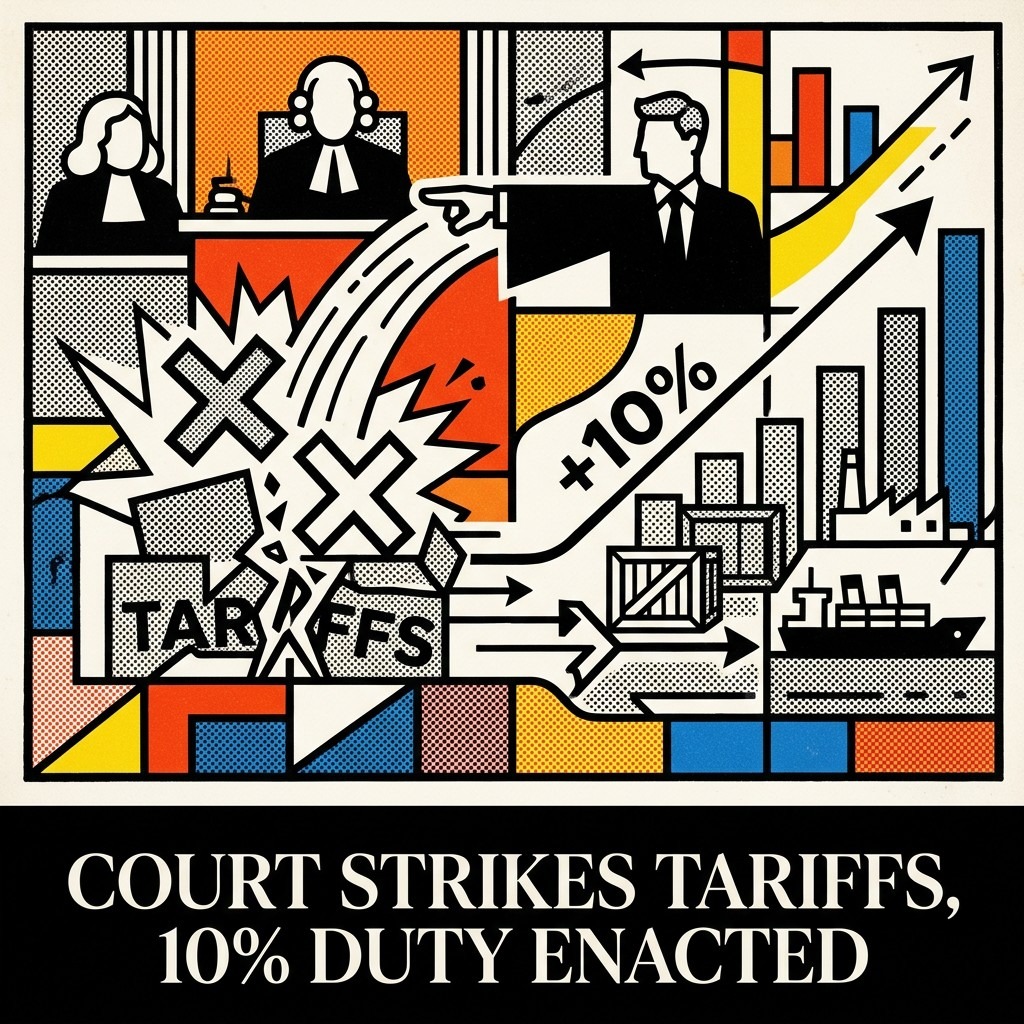
In the U.S., President Trump’s latest tariffs face legal hurdles, underscoring a tension between executive protectionism and judicial oversight (Politico). This struggle—between nationalist economic shielding and traditional liberal openness—creates distinct volatility. Businesses should note that the “rules-based order,” the historical framework of laws and treaties governing global trade, is being tested by populist mandates that prioritize domestic control over international, market-driven cooperation.
Stay tuned for the next Gist—your edge in a shifting world.
The Gist remains independent and reader-supported. If you value news free from corporate or state interests, consider supporting our mission with a donation.
|