Geopolitical Chokepoints Tighten
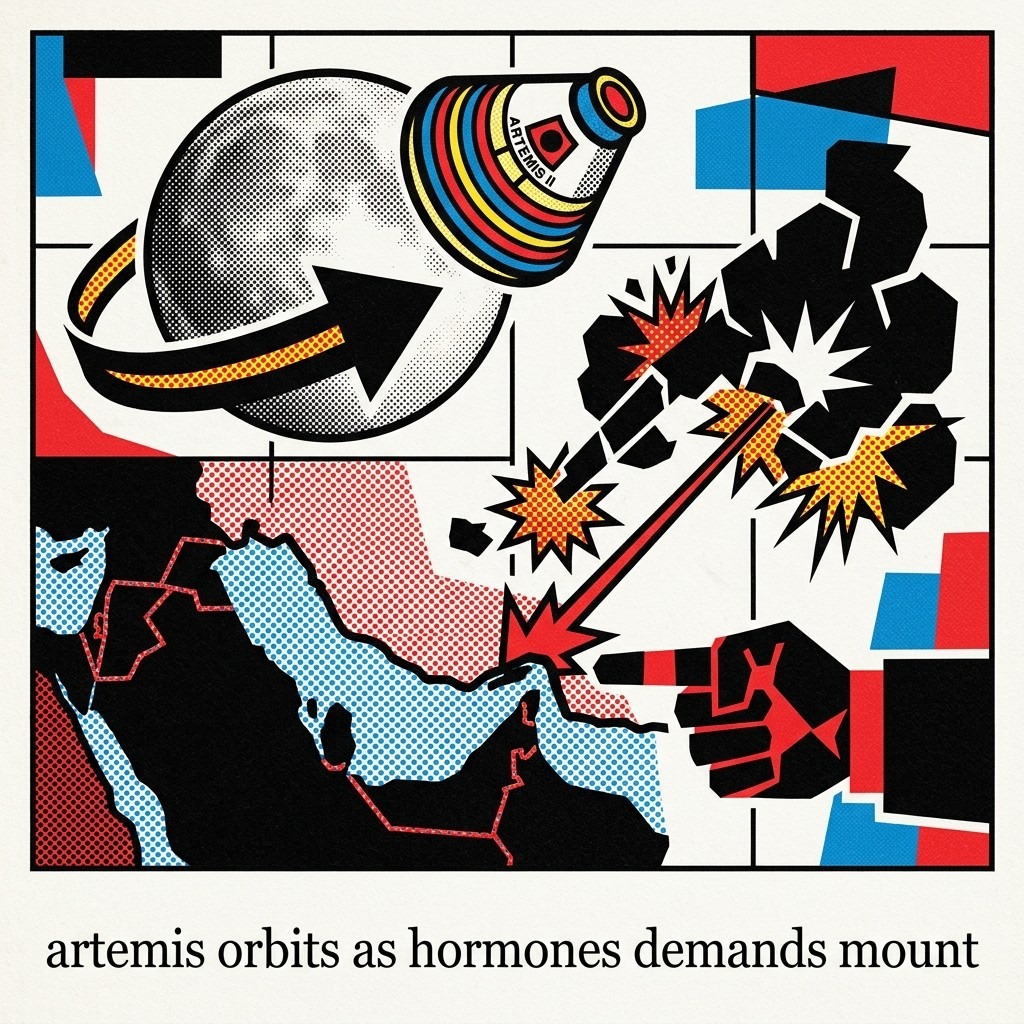
Oil is climbing as President Trump ramps up threats against Iran, triggering a liquidity flight from government bonds (WSJ). The systemic risk here is localized in the Strait of Hormuz, where two Qatar LNG tankers are attempting their first exit since the conflict began (Bloomberg). This move is a litmus test for global energy flow; should these vessels transit successfully, it suggests a fragile containment of regional supply disruptions.
Trump’s Infrastructure Play
Beyond statecraft, Trump’s influence is embedding into critical travel infrastructure. An investment group linked to the President’s family is backing XWell, which aims to deploy AI-driven infection screening at airports for the upcoming World Cup (FT). It’s a classic leverage play: utilizing high-traffic transit nodes to normalize rapid, AI-monitored surveillance as a standard of global travel.
The Infrastructure Reality Check
Investors often over-prioritize speculative tech, but utility metrics tell a different story. While SpaceX’s Starlink captures headlines, legacy cable-provided plans saved consumers $5 billion last year (WSJ). This serves as a reminder that systemic efficiency often resides in under-appreciated, boring infrastructure rather than high-profile disruptive assets.
Hungary’s Fraying Narrative
Hungary approaches its April 12 election with internal cracks widening. Viktor Orbán, seeking to extend 16 years of rule, is now challenged by his former pastor, Gábor Iványi (Politico.Eu). The friction signals that even for entrenched regimes, political legitimacy is vulnerable when it outgrows the foundational communities that initially built its support.
Stay tuned for the next Gist—your edge in a shifting world. The Gist remains independent and reader-supported. If you value news free from corporate or state interests, consider supporting our mission with a donation.