The Global Overview
The Anatomy of Containment
The repatriation of passengers from the M/V Hondius following a hantavirus outbreak serves as a stress test for modern containment protocols (NPR). Unlike the chaotic, blanket lockdowns of the previous decade, this focused extraction—moving citizens directly to specialized facilities—reveals a shift toward surgical, “filter-first” responses. When states treat outbreaks as localized logistics challenges rather than national security crises, they minimize systemic economic friction. With one passenger already testing positive, the efficacy of this model now hinges on whether these micro-shocks can be isolated without escalating into the border-wide paralysis we once feared.
Asia’s AI-Driven Duality
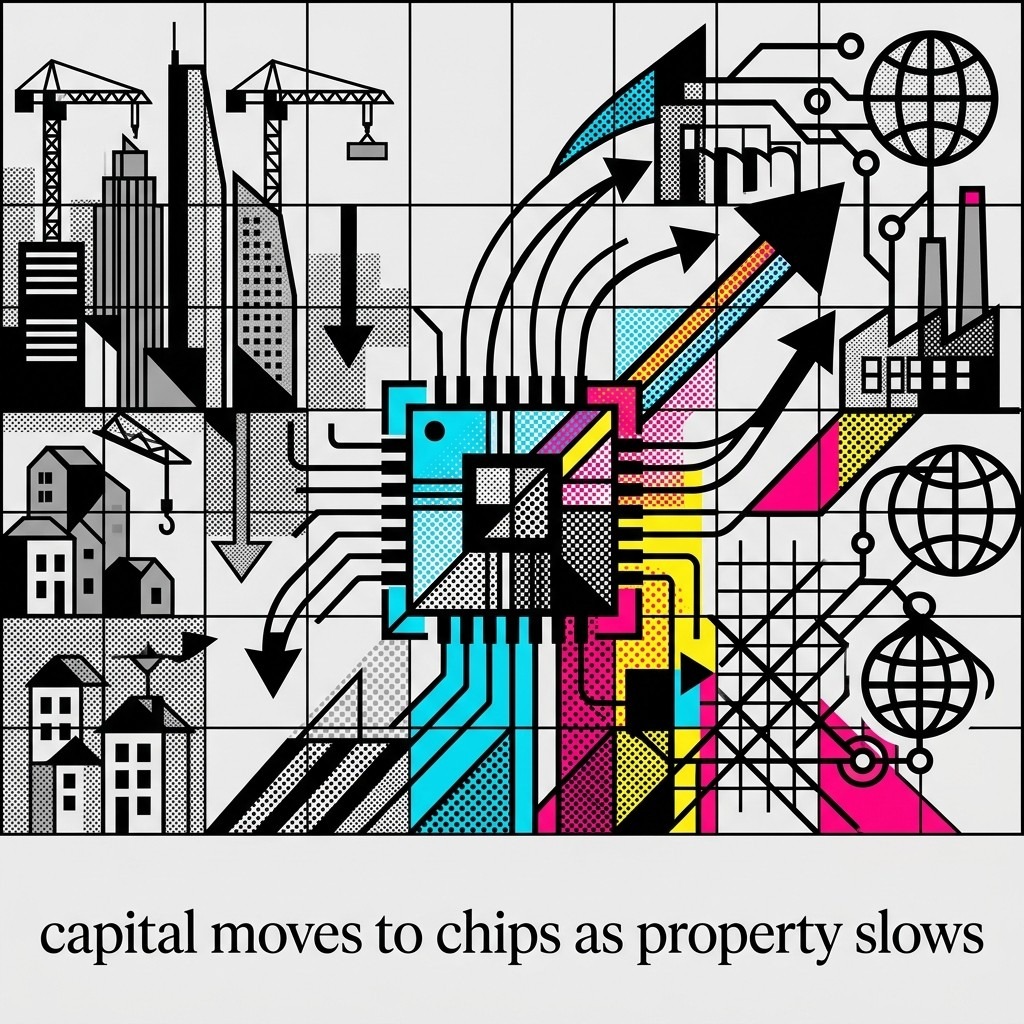
South Korea and Taiwan are currently navigating an “AI-fueled K-shaped” recovery. While massive chip demand is swelling trade surpluses, it is triggering an inflationary feedback loop that pressures central banks to hike rates (Bloomberg). Think of it like a sports car accelerating on a slick road: the engine (AI demand) is powerful, but the chassis (monetary policy) may struggle to handle the torque. Investors are betting that earnings growth can outpace the friction of rising capital costs.
US Labor Realignment
The US job market is experiencing a structural bifurcation. Since the end of 2023, the Healthcare and Social Assistance sector has added nearly 1.8 million jobs, while every other industry combined shed 127,800 positions (MarginalRevolution). As demographics age, the economy is pivoting toward a “care-delivery” model, creating a two-speed labor market where essential services act as the only reliable engine of job creation, effectively insulating this sector from the volatility hitting manufacturing and services.
Autonomous Logistics Efficiencies
Technological integration is reshaping domestic trade. Projections indicate that the mass adoption of autonomous trucking will drastically lower shipping costs, with the highest impact on trade value seen in states like Texas and New York (MarginalRevolution). By reducing the “distance tax”—the friction of moving goods across geographies—autonomous fleets act as a synthetic bridge, shrinking the functional space between markets and boosting total interstate trade.
Stay tuned for the next Gist—your edge in a shifting world. The Gist remains independent and reader-supported. If you value news free from corporate or state interests, consider supporting our mission with a donation.
|