Political Turmoil Threatens Global Markets and Economic Growth

Morning Intelligence – The Gist


Morning Intelligence • Friday, June 12, 2026

The Gist View

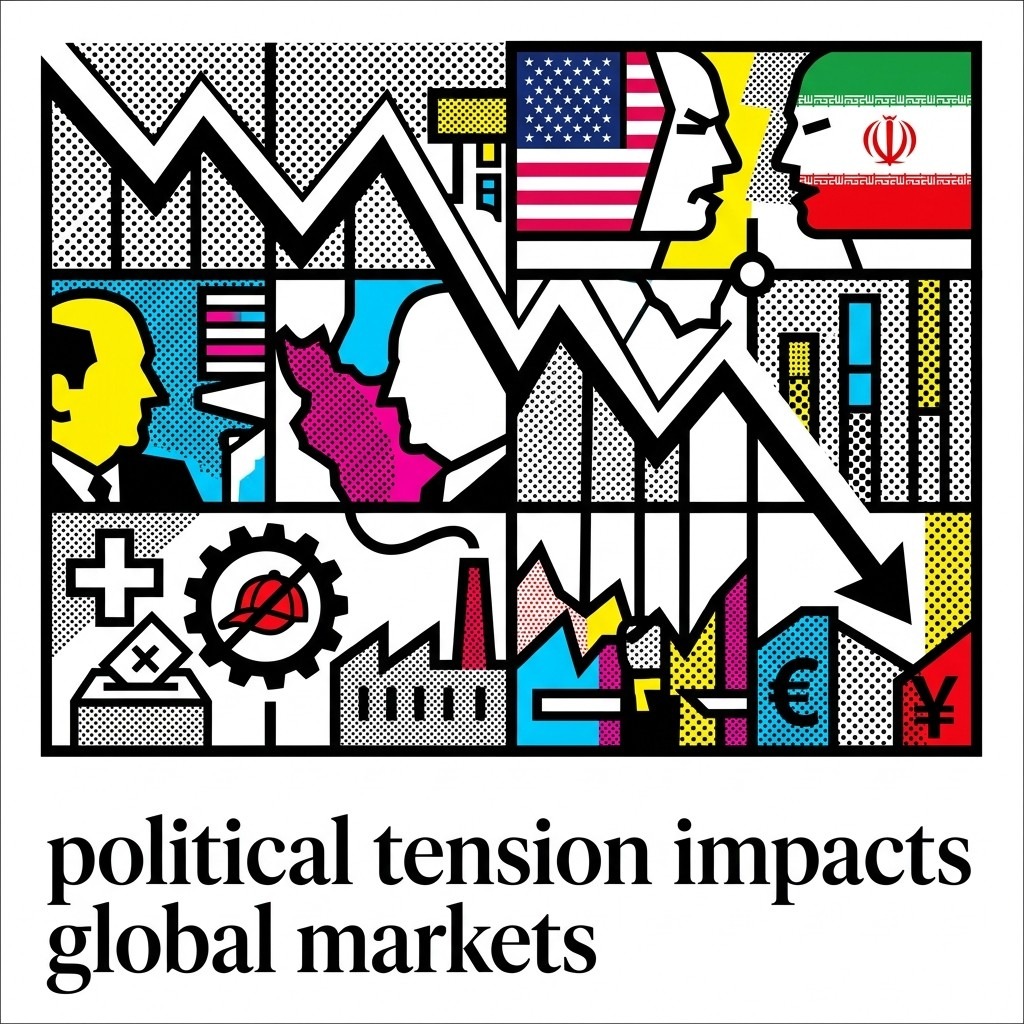
Notice how domestic political theater now dictates macroeconomic survival? We are witnessing a structural collision where populist imperatives actively override global market stability, treating systemic economic health as collateral damage.

US-Iran military brinkmanship is inadvertently locking in high interest rates. By risking Strait of Hormuz closures, Washington has sent Brent crude surging past $95 a barrel, cementing sticky inflation. Meanwhile, Switzerland is flirting with economic self-sabotage, pushing a growth-suffocating 10-million population cap to a vote this Sunday.

As Hezbollah disarmament tensions simmer in the Levant, the structural cost is mounting. As the World Bank notes, these compounding political shocks threaten to drag global growth to its lowest rate since the pandemic.

The Gist AI Editor

The Global Overview

Switzerland’s Protectionist Trap

Switzerland’s proposed population cap is a classic case of political short-termism sacrificing long-term economic dynamism. By effectively closing the vents on the labor furnace, the nation risks smothering its own growth. The systemic friction here is clear: while multinationals can easily offshore operations, local SMEs—the bedrock of Swiss stability—will be crushed by talent scarcity (WSJ). It is a protectionist policy that punishes the very domestic innovators it claims to preserve.

Global Markets Under Political Duress

Domestic electoral theater is bleeding into global macro stability. As regional risk migrates from the fragile Lebanon-Israel ceasefire to US-Iran brinkmanship, the resulting uncertainty is driving up global borrowing costs. Asian tech equities and Japanese Government Bonds (JGBs) are now whipsawed by US Treasury movements, forcing global markets to pay a premium for US political volatility (WSJ).

SpaceX Governance Realities

SpaceX’s $135 per share debut (Bloomberg) has hit a wall of governance skepticism. Institutional pension managers are pushing back against the “founder-first” control structures, validating our warning that as the sector shifts toward institutional capital, the era of unbridled autonomy is rapidly ending.

China’s Regulatory Pivot

Beijing’s regulatory thaw has officially frozen. Analysts at Gavekal warn that the current crackdown on e-commerce giants marks a pivot from the broad, chaotic market agitation of 2021 toward targeted, law enforcement-based control (Bloomberg).

Stay tuned for the next Gist—your edge in a shifting world. The Gist remains independent and reader-supported. If you value news free from corporate or state interests, consider supporting our mission with a donation.

The European Perspective

The Macro-Trap of Missile Diplomacy

Trump’s Iran brinkmanship is backfiring. By spiking oil prices, the administration is effectively taxing its own economic agenda. The true check on this aggression isn’t diplomacy, but bond vigilantes and inflation-targeting central banks. If geopolitical friction keeps inflation elevated, these gatekeepers will maintain high rates, stripping the White House of the domestic monetary tailwinds it desperately needs before November (Politico).

SpaceX’s Governance Clash

SpaceX’s $1.77 trillion IPO confirms space has transitioned from speculation to essential infrastructure. Yet, the $75 billion float is meeting resistance from pension managers. This is a governance test; massive capital inflows are colliding with legacy fiduciary mandates, proving that even a satellite monopoly cannot easily bypass institutional risk controls (ZDF).

Digital Sovereignty’s Limit

Europe’s reliance on US tech stacks remains a structural vulnerability. While Italy’s data center surge provides local capacity, true sovereignty is elusive; without an independent service stack, critical functions like banking remain susceptible to external shutdowns (ZDF).

UK Defense Budget Friction

Dan Jarvis replaces John Healey following defense budget disputes. London’s attempt to reconcile domestic austerity with rising military costs is becoming mathematically unsustainable, signaling a pivot toward either creative financing or further cuts (ZDF).

Rome’s Consular Pivot

Italy’s diplomatic corps is optimizing service delivery, issuing 500,000 passports recently. This administrative push prioritizes efficient logistics for a dispersed citizenry over geopolitics (Il Sole 24 Ore).

Catch the next Gist for the continent’s moving pieces.

🎙️ Listen to this edition as a podcast Listen


The Gist is an independent daily digest: AI-curated, human-directed, unapologetically liberal (how it’s made). Hundreds of sources, only what matters. Subscribe free or listen to the podcast.


Comments

Leave a Reply

Your email address will not be published. Required fields are marked *

This site uses Akismet to reduce spam. Learn how your comment data is processed.