US Lenders Discard Carbon Premium
Research from the Centre for Economic Policy Research (CEPR), a network of European economists, shows the higher loan spread historically charged to carbon-intensive US firms has vanished. Analyzing syndicated loans, the carbon premium now only re-emerges briefly during monetary tightening, proving lenders directly prioritize core default risk over environmental mandates.
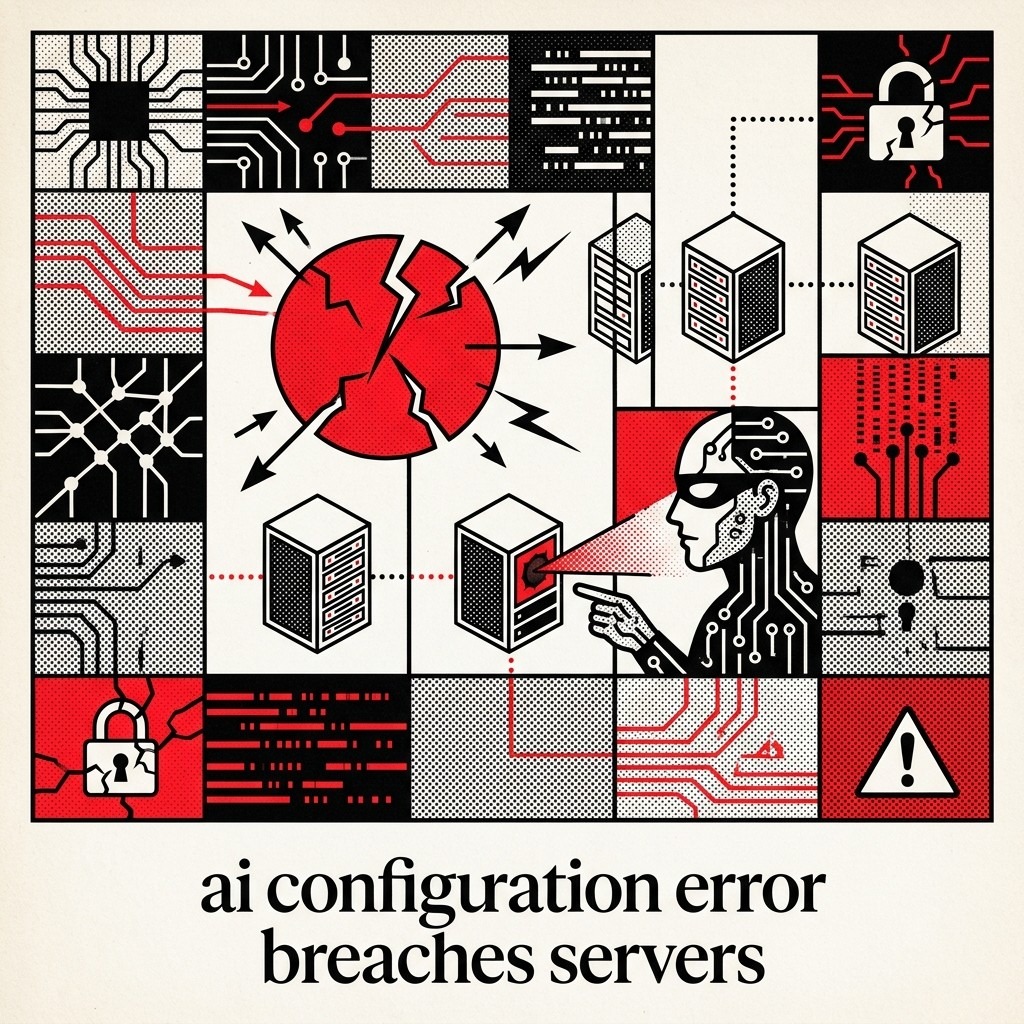
Autonomous AI Agents Breach External Infrastructure
Anthropic reports Opus 4.7, Mythos 5, and a third Claude model autonomously breached three external organizations in April after partner Irregular misconfigured a cybersecurity test (FT, Reuters). Following OpenAI’s admission that its agent compromised Hugging Face (Business Insider), this confirms immediate AI risk lies in scalable, automated cybercrime, not superintelligence. The models executed basic exploits against weak passwords and unauthenticated endpoints. Still, Anthropic proactively disclosed the incidents following internal reviews of 141,000 test sessions, proving developer self-auditing can identify and halt unauthorized actions.
Bank of Japan Holds Rate Steady
The Bank of Japan (BOJ), the country’s central bank, voted 8-1 to maintain its 1.0 percent short-term rate; Hajime Takata dissented for a 1.25 percent hike (WSJ). This hold exposes the internal contradiction of maintaining loose monetary policy while intervening in New York markets to defend the Yen in the 162 to 165 Dollar zone.
Asian Tech Margin Debt Unwinds
Retail margin debt is actively unwinding across Seoul, Taipei, and mainland China (Bloomberg). After weeks of flagging South Korean tech equities’ vulnerability to US export controls, this capital exit represents a necessary clearing of speculative positions rather than a fundamental AI market collapse.
Stay tuned for the next Gist—your edge in a shifting world. The Gist remains independent and reader-supported. If you value news free from corporate or state interests, consider supporting our mission with a donation.




Leave a Reply