The Global Overview
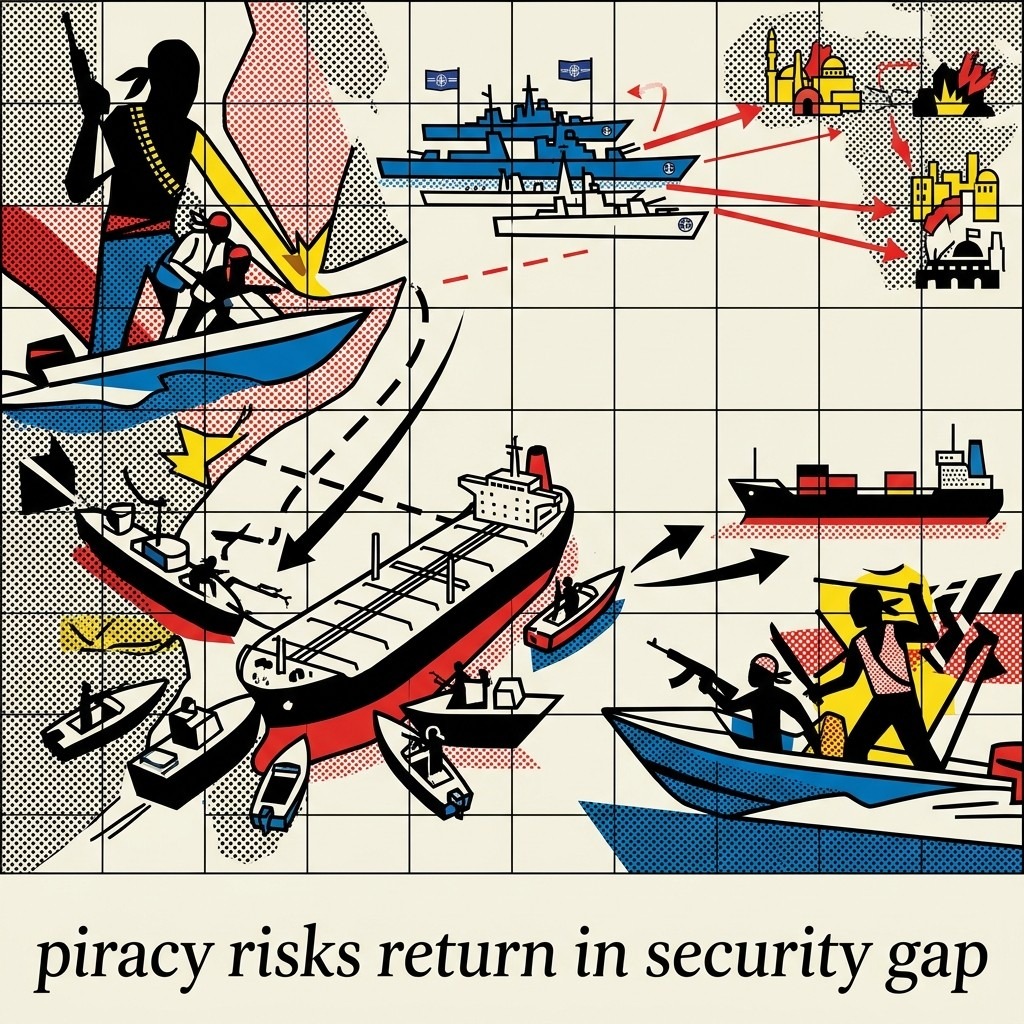
Somali Piracy Resurges as Navies Divert
The unintended cost of containing Iran is a stealth tax on global trade. As Western naval resources divert to the Middle East, a security vacuum has reopened the Horn of Africa to piracy. Naval prioritization is a necessary triage; state-backed Red Sea missile attacks pose a far more systemic threat to global commerce than localized crime. However, maritime security is a zero-sum game. Between April and July 2026, pirates hijacked oil tankers including the MT Honour 25 and MT Eureka, compounding the Hormuz blockade’s economic strain (Politico.Eu).
Moderna Validates mRNA Cancer Market
Following our argument yesterday that Moderna’s melanoma vaccine shifts the pharmaceutical frontier toward high-margin oncology, the market forcefully concurred today. Shares surged up to 160% as Phase 3 results validated the technology’s commercial viability (WSJ). Intismeran—Moderna’s experimental personalized mRNA cancer vaccine—met primary endpoints by producing a statistically significant improvement in preventing high-risk melanoma recurrence when combined with Keytruda, a blockbuster immunotherapy drug developed by Merck (FT).
Gulf States Secure Independent Fleets
Earnings for supertankers moving crude from the Persian Gulf to Asia hit nearly $510,000 a day amid conflict-related supply constraints (FT). Middle Eastern oil producers are aggressively purchasing readily available vessels to secure independent export routes. Both this fleet scramble and the piracy resurgence reflect how the protracted US-Iran maritime conflict is forcing global trade to internalize massive physical security costs, whether through paying elevated freight rates for independent tankers or absorbing the costs of opportunistic piracy (Order Decoded).
Join us tomorrow for further analysis of structural global shifts. The Gist remains independent and reader-supported. If you value news free from corporate or state interests, consider supporting our mission with a donation.
|




Leave a Reply