The Global Overview
ECB and Fed Diverge on Interest Rates
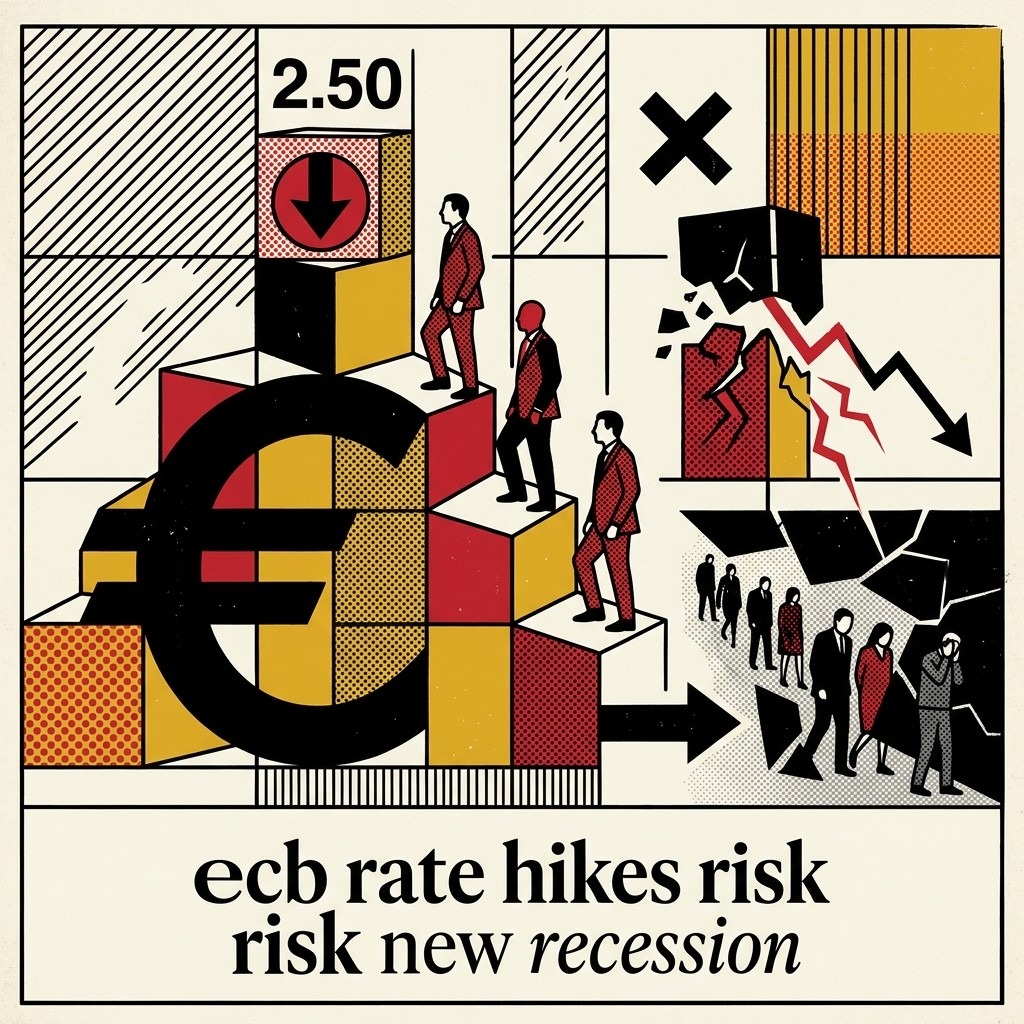
Market pricing implies a 100% probability that the European Central Bank, which manages the euro and monetary policy for the Eurozone, will raise its deposit rate to 2.50% at its September 2026 meeting (Wall Street Journal). Eurozone inflation accelerated to 3.3% in August, driven by energy supply shocks rather than consumer demand. Meanwhile, the US Federal Reserve, the central banking system of the United States, is expected to hold rates steady under Chair Kevin Warsh. This divergence pushes the euro up to $1.1710 (The Economic Times, Trading Economics). The ECB relies on demand-side tightening to combat a physical supply-side energy shock, risking domestic recession without addressing the resource constraints driving up prices.
Armed Conflict Halts Global Education Access
Armed conflicts currently deny 93 million children global access to education (Save the Children). Released September 9 to mark the International Day to Protect Education from Attack, this disruption structurally weakens future labor markets. Eliminating education access ensures long-term economic dependencies as regional human capital depletes.
Satellites Deployed for Climate Tracking
NASA and European partners now operate the Sentinel-6B satellite, flying 30 seconds behind its predecessor to measure precise sea level heights. Oceanographers state this data will improve hurricane forecasting and protect infrastructure during a historic El Niño. Separately, Anthropic researcher Jacob Coxon quit over existential AI fears, prompting US Representative Anna Paulina Luna to demand Congressional action (FT, Bloomberg). This confirms how existential panic directly fuels centralized political control over tech.
Stay tuned for the next Gist—your edge in a shifting world. The Gist remains independent and reader-supported. If you value news free from corporate or state interests, consider supporting our mission with a donation.
|