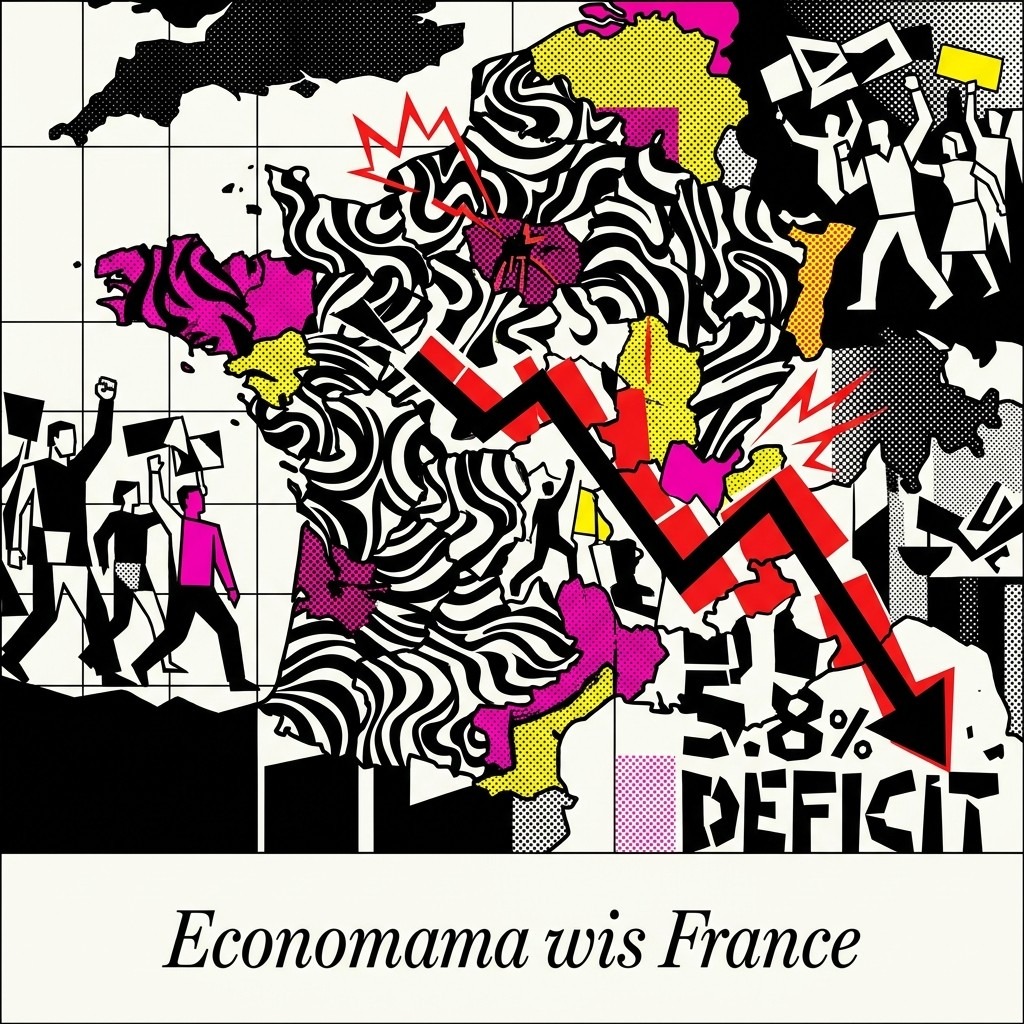
French protests turn to arson, and Paris signals who pays
Rioters and looters took over peaceful demonstrations across France, and the historic Limoges town hall was set on fire, according to Euronews. Macron pledged to hold to account all those who incited the chaos. Prime Minister Lecornu said limited public funds cannot keep paying for the damage vandals cause (Euronews).
The budget point matters most. Municipalities usually rebuild public buildings with state help. If Paris caps that help, local councils and their insurers carry more of the cost, and insurers are likely to respond with higher premiums for town halls and other public property.
Trump suspends Russia sanctions that Congress passed across party lines
US President Trump has paused new Russia sanctions, ZDF reports. Moscow welcomed the move and Kyiv sharply criticised it. Lawmakers from both parties had approved the measures. Russia gains from any pause in the pressure on its export revenue. Europe, which is preparing its own sanctions, now faces a gap with Washington. Without US measures, EU sanctions have less effect.
Energy costs feed through to prices
The ifo institute’s price-expectations index rose to 22.7 points in September from 21.4 in August. The index measures how many German firms plan to raise prices. Ifo’s economy chief Timo Wollmershäuser expects inflation above 3% in the coming months. Fuel and heating oil have already risen. Utilities are expected to raise power and gas prices in winter (ifo). Ifo says crude prices rose again after the Bab al-Mandab strait was blocked.
AI agents that run their own code lift accuracy from 79% to 97%
A CEPR benchmark of 40 econometric tasks (statistical analysis of economic data) in Stata, R and Python compared two leading models. Models that run and revise their own scripts got 97% of results correct, against 79% for chatbots that never run the code. The remaining errors are scripts that run cleanly but return wrong numbers. Researchers still have to catch these, so verification becomes the scarce skill.
Non-obvious angle: a Sardinian village may become a “blue zone”
Bolotana in Sardinia is in line to become the world’s sixth “blue zone”, a region with unusually many very old people. It qualifies because of its high number of female centenarians (The Guardian). Such a label tends to draw tourism and research money to a small place.
Catch the next Gist for the continent’s moving pieces.