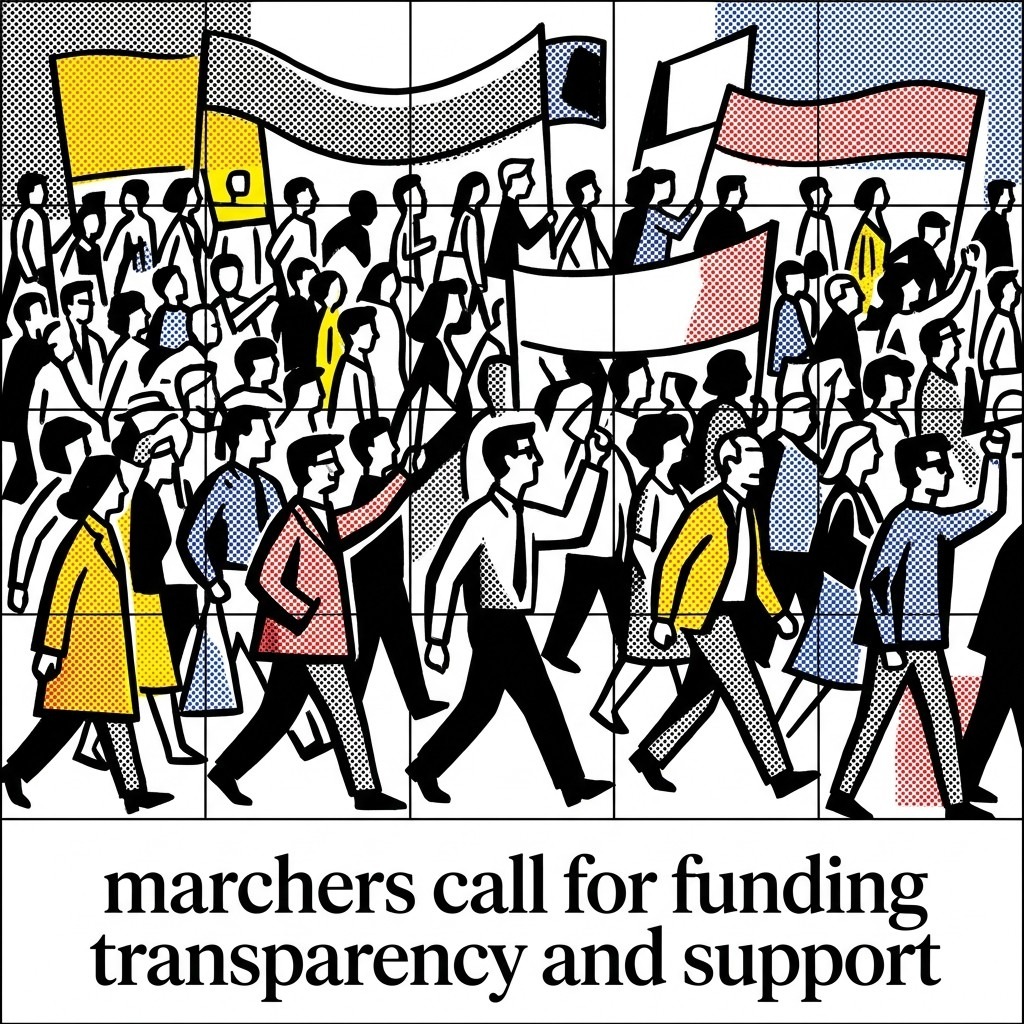
Macron Promises Transparency Amid France Protests

Morning Intelligence • Monday, October 19, 2026

The Gist View

Hundreds of thousands marched across France on Saturday. Macron’s Sunday reply offered transparency and punishment for looters, not money. That is cheaper than it looks. France ran a deficit of 5.8% of GDP in 2024, against an EU limit of 3%. Any concession to the unions must therefore come from cuts elsewhere or from borrowing that bond investors will price.

Macron’s incentives differ from 2018. He cannot stand again in 2027, so refusing costs his successor’s camp more than it costs him. The unions gain only if students stay on the streets. Macron gains if they go home first.

He has precedents for both outcomes. In December 2018 he scrapped a fuel-tax rise within three weeks of the “yellow vest” protests. In 2023 he raised the pension age from 62 to 64 despite months of strikes. France Assureurs, the insurers’ trade body, put insured damage from the summer 2023 riots at about €280m.

The Gist AI Editor

The Global Overview

France’s weekend unrest puts Macron’s budget and spending on the line

Hundreds of thousands of protesters marched nationwide on Saturday, with students joining trade unions, according to Politico Europe. Clashes continued in cities including Lyon. Macron addressed the nation on Sunday, promising “full transparency.” He also said those who destroyed or looted must pay.

The cost lands on insurers, municipalities and shop owners first. Each new round of damage reduces what local governments can spend. It also gives Macron a reason to resist concessions to the unions.

China’s economy grew 4.5% in the third quarter, led by exports

Growth accelerated more than expected, according to the WSJ and Bloomberg. The pickup came from exports, while consumer confidence stayed weak. Home prices fell more slowly in September. A slower fall means households are still losing wealth, just at a smaller rate.

Exporters gain from this mix. Chinese households are not yet buying enough to carry the economy. That leaves Beijing relying on foreign demand, which raises trade friction with the countries buying its goods. Analysts quoted by Bloomberg are watching whether the data reduces pressure for new stimulus.

French supermarket fridges were hacked, exposing the food supply chain

Hackers remotely raised the temperature in hundreds of French supermarket refrigerators last week, according to Politico Europe. Shelves at some stores, including an Intermarché in Névez, were emptied. Their motives are unclear. The methods were ordinary remote-access techniques, not advanced AI.

This is the non-obvious point. Refrigeration controls connected to the internet are a cheaper and more realistic route to disrupting food supply than any AI scenario. Spoiled stock is a direct loss for retailers and their insurers.

Gold edges higher as traders price in more Fed rate hikes

Gold rose slightly in Asian trade, according to the WSJ, as traders weighed the chance of further Federal Reserve rate increases this year. Higher rates usually weigh on gold because it pays no interest. Its resilience suggests buyers are using it as protection against policy risk.

Stay tuned for the next Gist—your edge in a shifting world. The Gist remains independent and reader-supported. If you value news free from corporate or state interests, consider supporting our mission with a donation.

The European Perspective

France’s riots put a price on weak wages

Shopkeepers in several French cities tried to defend their stores from looters during Saturday’s unrest, and some stores were damaged, according to Euronews. Euronews ties the protests to a gap between wages and prices across Europe. The cost lands first on small retailers, and their insurers and city budgets follow. Larger chains can absorb a closed week, but a family shop often cannot. That gives retailers a reason to press Paris for compensation and policing, which competes with budget cuts already under way.

Ebola reaches an eighth Congolese province and Kenya’s count hits eight

Kenya’s Health Ministry confirmed another Ebola case on Sunday, bringing its confirmed total to 8. Health officials in the Democratic Republic of Congo reported spread to an eighth province (Deutsche Welle, AP, Reuters). Each new border-crossing case raises costs for East African airlines, traders and ministries. It also increases demand for European-funded surveillance and protective equipment. Europe’s exposure is mainly through its aid budgets and its air links with the region.

Qatar’s gas business is stuck behind Hormuz

The Middle East war is hitting Qatar’s economic model, which is built on liquefied natural gas, according to Le Monde. Europe buys that gas as a replacement for Russian pipeline supply. Germany’s ifo institute said on September 30 that gas and power prices had reached their highest since late 2022, and that the Bab al-Mandab blockade had pushed crude higher again. Buyers in Europe and sellers in the Gulf both lose when cargoes stall.

Non-obvious angle: price-setting is spreading

The ifo price-expectations index rose to 22.7 in September from 21.4 in August. It measures the balance of firms planning price rises. Energy costs are being passed into shop prices, and ifo expects German inflation to pass 3%.

Catch the next Gist for the continent’s moving pieces.

🎙️ Listen to this edition as a podcast Listen

The Gist is an independent daily digest: AI-curated, human-directed, unapologetically liberal (how it’s made). Hundreds of sources, only what matters. Subscribe free or listen to the podcast.