The Globalization Persistence
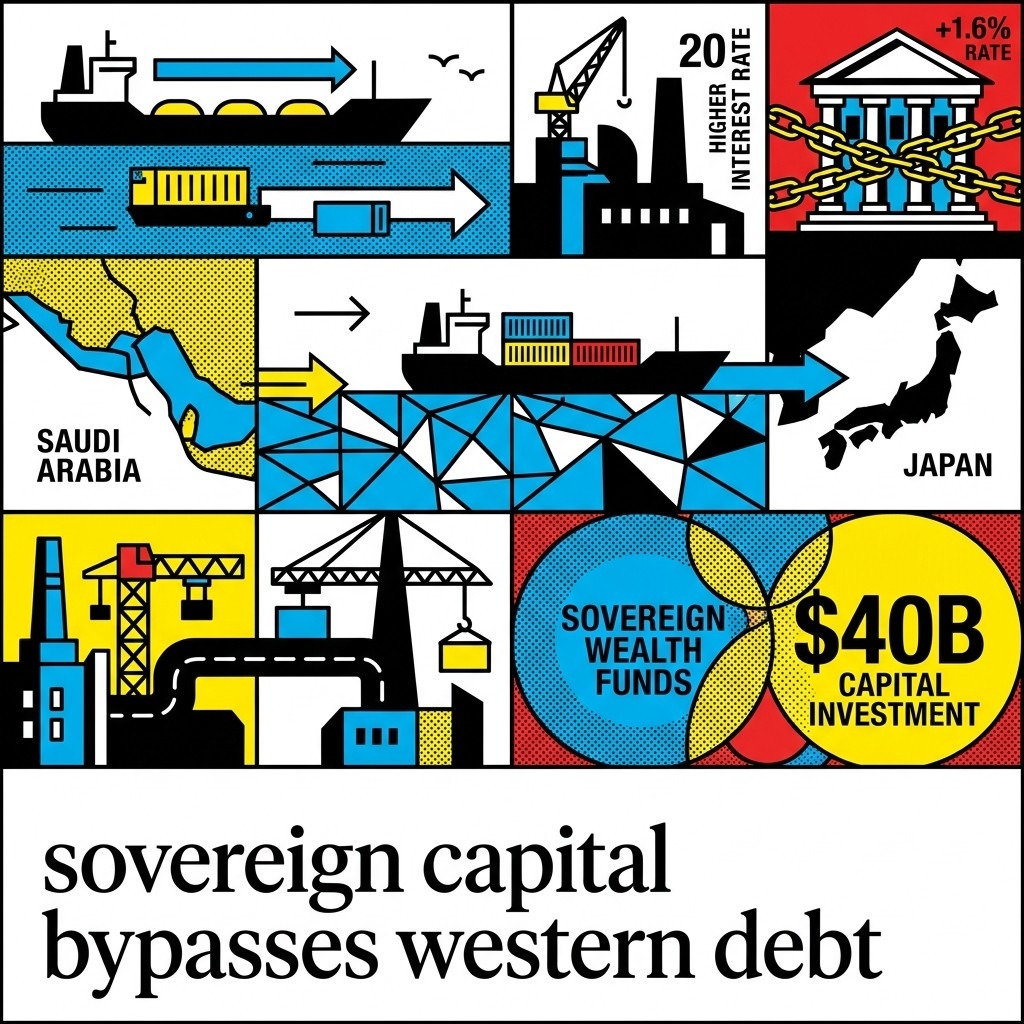
Contrary to narratives of collapse, Richard Baldwin’s World War Trade (PIIE) finds the global order is re-routing, not disintegrating. When the U.S. and China weaponized trade in 2025, markets braced for fracture. Instead, non-aligned states executed strategic adaptations, insulating commerce from the superpower duopoly. Trade interdependency is proving structurally more resilient than the rhetoric of economic warfare implies.
The Hidden Alpha of Dull Industries
Capital is migrating from speculative tech toward “boring” infrastructure. While the market fixates on AI, wealth is concentrating in unglamorous physical assets—pipelines, logistics, and essential services. This signals a systemic pivot where capital prioritizes durability and tangible utility over digital scalability, betting the physical world demands maintenance more than it needs another software layer.
The AI Productivity Paradox
Startups are shedding junior roles due to GenAI (Marginal Revolution), yet firm creation accelerates. It is a classic creative destruction cycle: institutional friction has increased, but the cost of entry is plummeting. Investors are calling this “froth” (WSJ), but the mechanics show capital favoring small, high-velocity firms over legacy bloat.
Sovereignty’s Digital Extradition
Italy’s decision to extradite a Chinese national to the U.S. on hacking charges signals a hardening of judicial cooperation regarding state-linked espionage. As President Trump’s Pakistan-Iran diplomacy stalls, investors are defaulting to “hedge when you can” (Bloomberg) strategies, pricing in volatility despite record equity highs.
Stay tuned for the next Gist—your edge in a shifting world. The Gist remains independent and reader-supported. If you value news free from corporate or state interests, consider supporting our mission with a donation.