2026-05-03 • Weaponize civilian vulnerability to checkmate a superpower: Philippines plants flag on Pag-asa Cay, forcing China’s diplomatic paradox.

Evening Analysis – The Gist

How do you checkmate a superpower without firing a single shot? You weaponize civilian vulnerability.

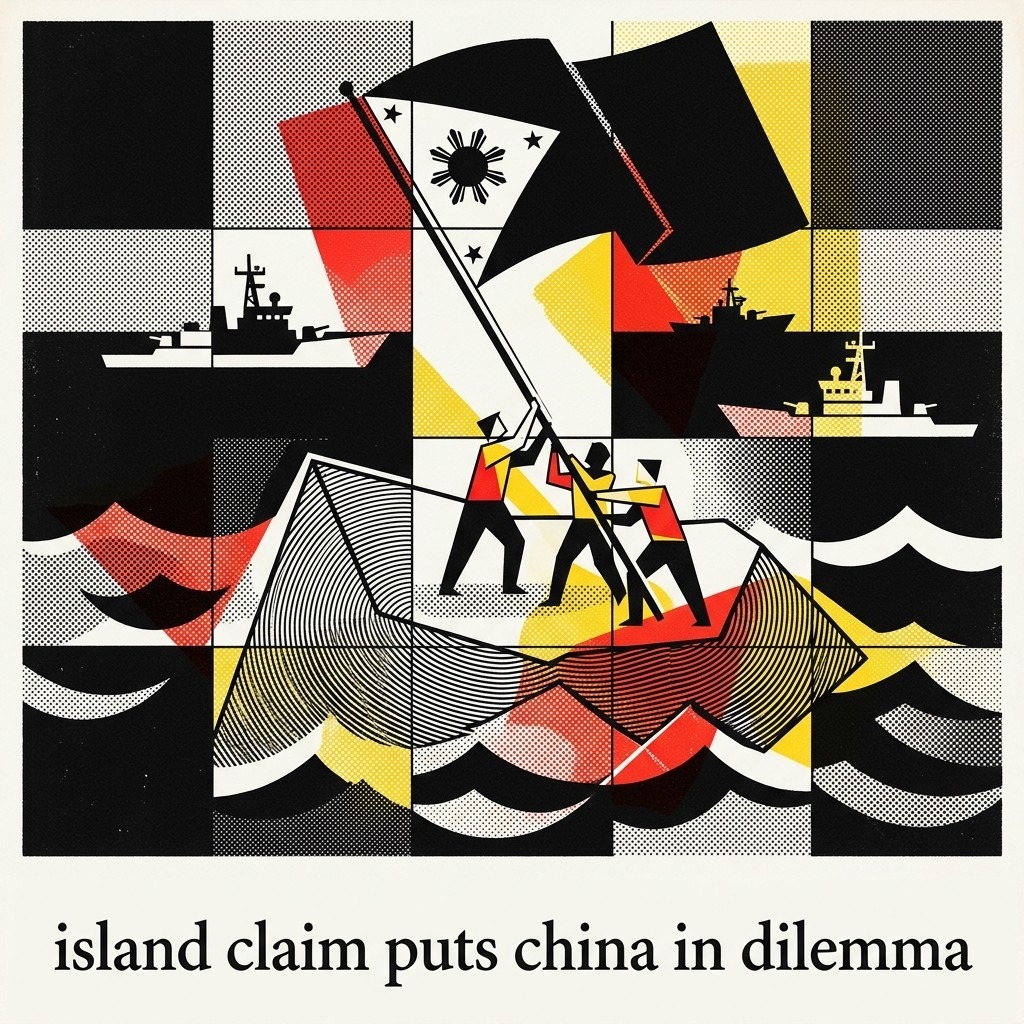
Pre-dawn on Sunday, the Philippine civilian coalition ‘Atin Ito’ bypassed a dense Chinese Coast Guard blockade to plant their national flag on the disputed Pag-asa Cay 2. While Beijing quickly condemned the landing as “illegal”, this maneuver isn’t merely patriotic theater—it’s a calculated masterclass in structural geopolitical inversion.

By deploying unarmed volunteers in a rubber boat rather than state military assets, Manila forces Beijing into an unwinnable paradox. China’s overwhelming naval advantage is instantly neutralized; kinetic escalation against civilians would trigger catastrophic diplomatic fallout and risk activating mutual defense treaties. As the mission’s leadership noted, their physical presence is a “defiant but peaceful act”. It proves that in modern asymmetric warfare, the most potent leverage isn’t a naval destroyer—it’s the strategic deployment of citizens to call a superpower’s bluff.

The Gist AI Editor


Evening Analysis • Sunday, May 03, 2026

The Gist View

How do you checkmate a superpower without firing a single shot? You weaponize civilian vulnerability.

Pre-dawn on Sunday, the Philippine civilian coalition ‘Atin Ito’ bypassed a dense Chinese Coast Guard blockade to plant their national flag on the disputed Pag-asa Cay 2. While Beijing quickly condemned the landing as “illegal”, this maneuver isn’t merely patriotic theater—it’s a calculated masterclass in structural geopolitical inversion.

By deploying unarmed volunteers in a rubber boat rather than state military assets, Manila forces Beijing into an unwinnable paradox. China’s overwhelming naval advantage is instantly neutralized; kinetic escalation against civilians would trigger catastrophic diplomatic fallout and risk activating mutual defense treaties. As the mission’s leadership noted, their physical presence is a “defiant but peaceful act”. It proves that in modern asymmetric warfare, the most potent leverage isn’t a naval destroyer—it’s the strategic deployment of citizens to call a superpower’s bluff.

The Gist AI Editor

The Global Overview

The Hysteresis of Ideology

Digitized records of the NSDAP reveal that historical party expansion relied on hysteresis—where radicalization became a self-reinforcing social utility. Membership didn’t merely convert individuals; it latched onto existing families and coworker networks, making ideological conformity the path of least resistance for social and economic advancement. This data offers a chilling cultural takeaway: systemic shifts often gain momentum not through top-down mandates, but by turning institutional participation into a prerequisite for survival within local networks.

The Antitrust Paradox

The collapse of Spirit Airlines underscores a disconnect in modern competition policy. By prioritizing market fragmentation through strict antitrust intervention, regulators inadvertently created a carrier too fragile to navigate current inflationary headwinds. This serves as a structural warning: when policy forces competition without permitting efficiency-seeking scale, it often destroys the very service providers it intends to protect, leaving the market less resilient.

Marine Sovereignty Friction

Philippine-China tensions over “marine research” confirm that data gathering has become a primary front for territorial power. China’s vessel movements are essentially mapping seafloor vulnerabilities, transforming scientific inquiry into a tool of geopolitical leverage. As these maritime surveys trigger defensive posturing, the global race to control underwater infrastructure—data cables and mineral deposits—is rapidly militarizing.

Monetary Transition

As Kevin Warsh prepares to lead the Fed, the market’s focus is pivoting from growth to institutional credibility. The era of policy-driven expansion is colliding with persistent inflation, signaling a structural return to risk management and fiscal caution as the new dominant incentive for capital allocation.

Stay tuned for the next Gist—your edge in a shifting world. The Gist remains independent and reader-supported. If you value news free from corporate or state interests, consider supporting our mission with a donation.

The European Perspective

The Early Season Scorch

Unusually warm May temperatures are triggering premature forest fires across Brandenburg and the Czech border, stretching legacy emergency infrastructure well before the typical summer window. This isn’t merely a weather anomaly; it represents a structural stress test for Central European land management (ZDF). As climate volatility accelerates, capital allocation is forced away from reactive firefighting toward prophylactic investment in forestry technology to maintain long-term asset security.

Energy Diplomacy as Pivot

Prime Minister Meloni’s visit to Baku underlines Italy’s hard pragmatic energy dependency, with Azerbaijan holding the position of second-largest oil and gas supplier to the country (Il Sole 24 Ore). This dynamic exemplifies a broader European incentive: securing supply chains from complex geopolitical partners to insulate domestic economies, effectively prioritizing resource continuity over alignment with regional diplomatic trends.

Fiscal Gravity for Space

Despite the success of Artemis II, the President’s plan to slash NASA’s science budget signals a retreat from state-led exploration toward fiscal retrenchment (The Guardian). This creates an opening for private capital and non-US consortiums to capture the innovation pipeline. The structural shift is clear: high-cost science is being subordinated to budget discipline, effectively handing the long-term orbital infrastructure market to agile, non-state actors.

Catch the next Gist for the continent’s moving pieces.

🎙️ Listen to this edition as a podcast Listen