The Global Overview
Energy Shocks and Structural Re-pricing
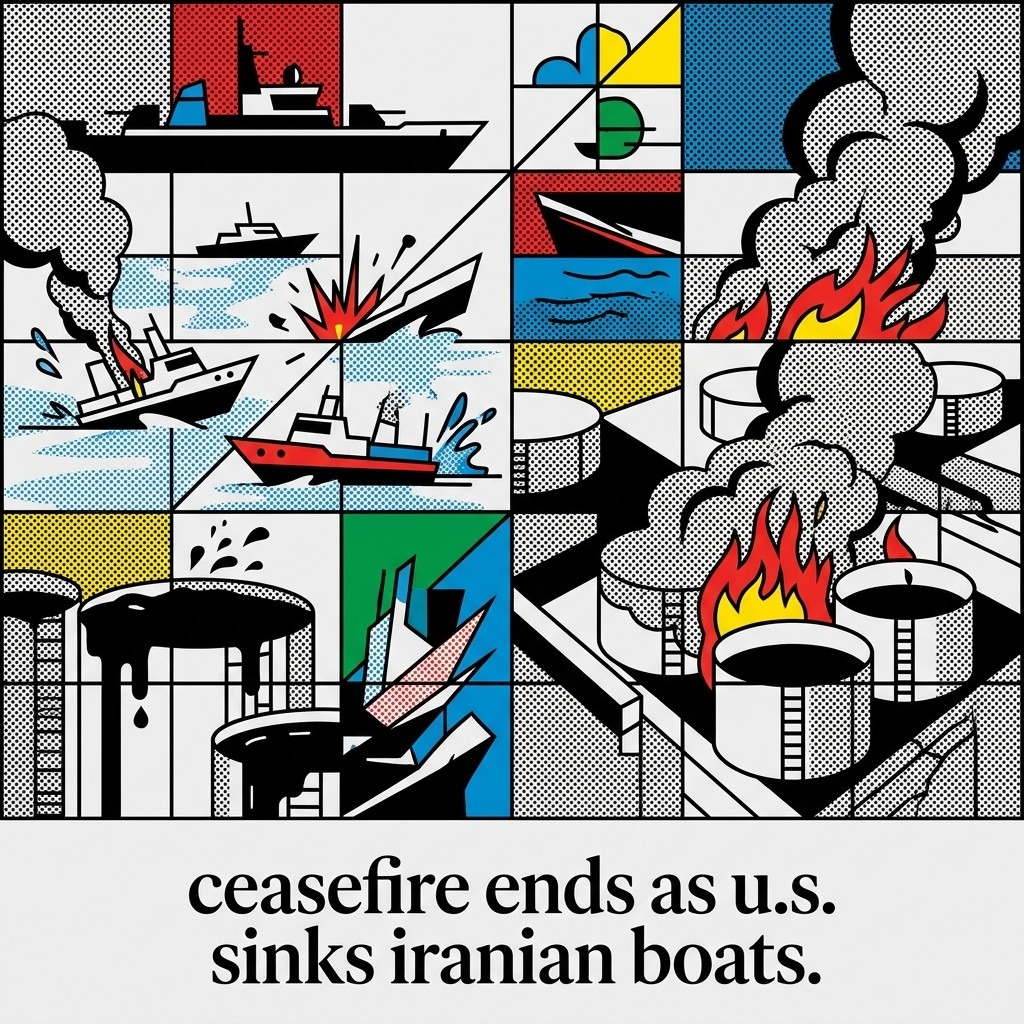
As the Hormuz crisis enters its third day, energy shocks are no longer theoretical. Brent crude is hitting landmark highs, effectively acting as a global tax on consumption. Executives are already signaling that a prolonged shock will force them to pass inflationary costs directly to consumers (FT). This represents a structural re-pricing of risk, where geographic dependency in energy markets dictates corporate viability and price stability, forcing supply chains to account for permanent regional volatility.
Emerging Market Decoupling
While major economies grapple with energy-induced headwinds, Indonesia’s GDP grew 5.6% in Q1—the fastest pace since Q3 2022 (Bloomberg). This resilience confirms that industrial diversification serves as a critical shock absorber. Capital is increasingly migrating toward markets capable of self-sustaining growth, highlighting a widening bifurcation between nations tethered to volatile global corridors and those successfully building internal, localized industrial capacity.
Institutional and Fiscal Fatigue
Political fragility is rapidly becoming a fiscal contagion. In the UK, the SNP’s expected fifth-term victory highlights deepening nationalist friction amid Labour’s declining popularity (Bloomberg). Concurrently, HSBC’s flat quarterly net profit underscores the systemic toll of the current environment: higher credit charges linked to Middle East conflict are actively eroding gains from core banking operations (WSJ). When institutional stability falters, corporate balance sheets are the first to reflect the cost.
The Efficiency Hedge
Amidst the macro noise, a quiet structural shift in technical leverage: scientists have successfully used quantum computing to model protein behavior (FT). This transition from brute-force chemistry to computational precision represents a long-term hedge against rising R&D costs. By solving complex biological puzzles through data rather than exhaustive, expensive experimentation, firms are moving to insulate their margins against future inflationary shocks.
Stay tuned for the next Gist—your edge in a shifting world. The Gist remains independent and reader-supported. If you value news free from corporate or state interests, consider supporting our mission with a donation.
|