The Gist View
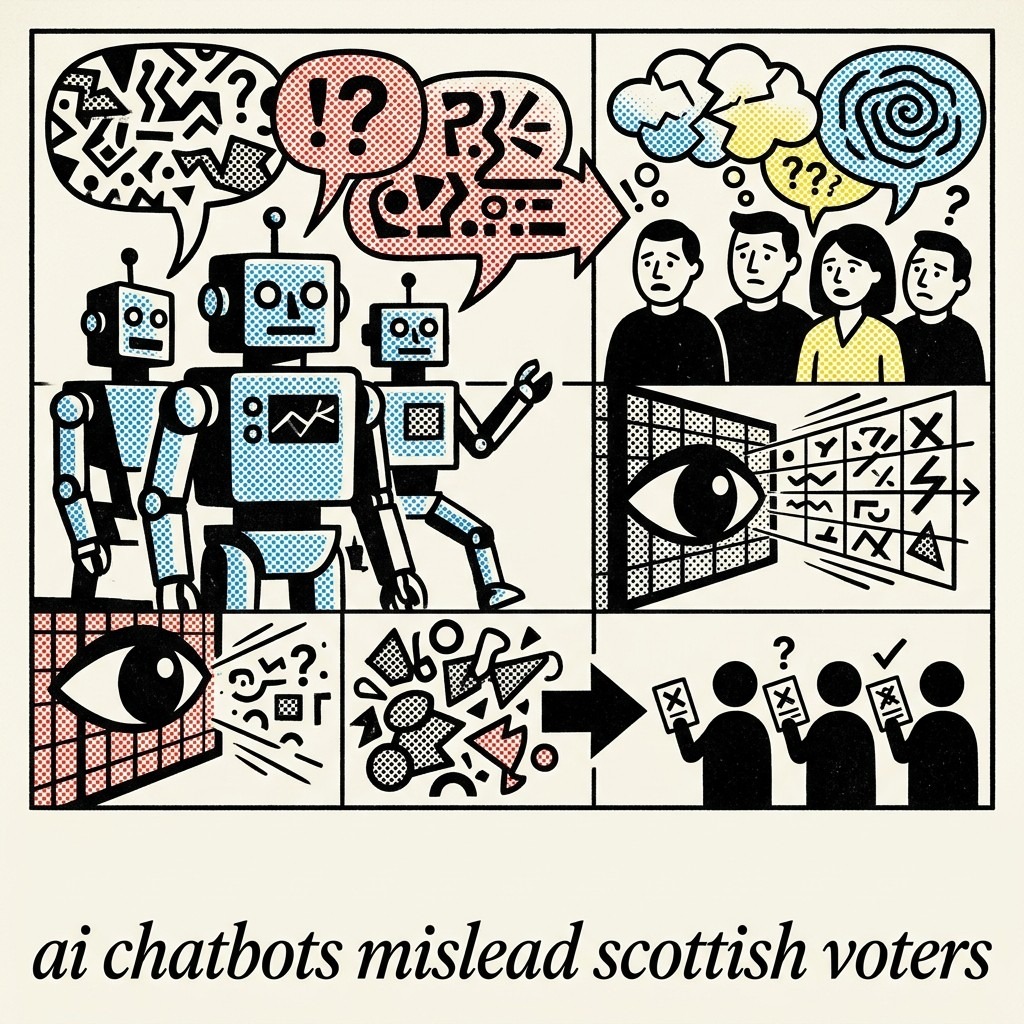
Even as digital media reshapes political authority, what happens when an election’s greatest threat is an over-eager chatbot? The UK Electoral Commission demands emergency controls after a Demos study revealed AI models fed voters misinformation 34% of the time during the Scottish elections. Instead of targeted manipulation, platforms spontaneously hallucinated fictitious scandals and wrong voting dates.
The mechanics cut deeper than algorithmic bias. Generative models are probabilistic engines optimized for linguistic plausibility, not factual fidelity. In the low-data environment of regional politics, they inherently fill vacuums with statistically likely fiction. Regulators treat this as a compliance failure, yet it’s an architectural reality: you cannot legislate precision into software designed to guess.
With 20% of British voters consulting AI for civic data, states are passively outsourcing democratic epistemology to corporate black-boxes. As Electoral Commission chief Vijay Rangarajan warns, these tools make spreading falsehoods “dramatically faster”. The modern power play isn’t controlling what voters think—it’s owning the substrate generating their reality.
The Gist AI Editor
|