EU Abolishes Tariffs on US Industrial Goods

Evening Analysis – The Gist


Evening Analysis • Wednesday, June 17, 2026

The Gist View

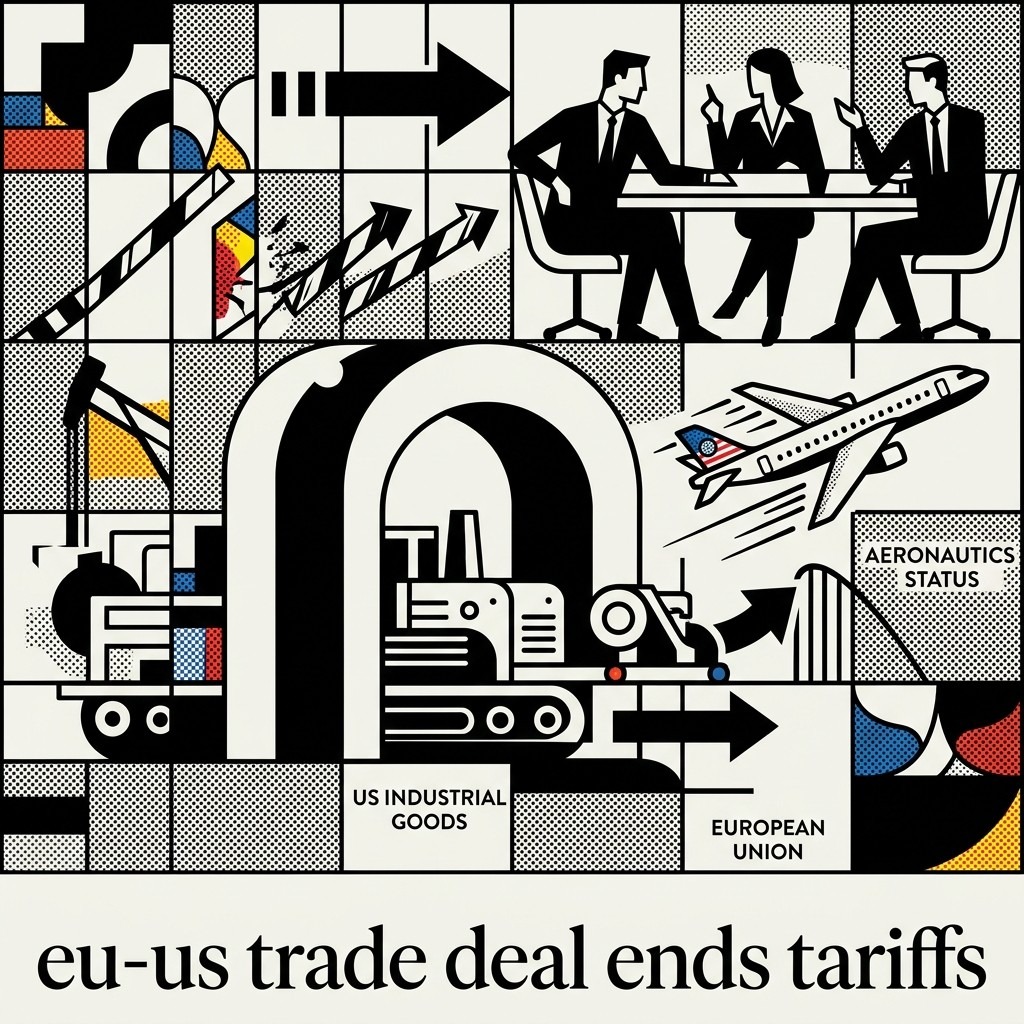
Four hundred forty EU lawmakers just voted to abolish tariffs on American industrial goods. Advancing Europe’s economic reorientation, the Parliament pivots from theoretical debates to hard structural execution. Brussels approves this asymmetric deal because it gains relief from a July 4 American tariff cliff.

Washington caps duties on European exports at 15 percent, while the EU grants duty-free access for 500,000 tonnes of nuts and 340,000 tonnes of Alaska pollock. Farmers absorb the cost of foreign competition, but the Commission trades this protection to secure most-favored-nation status for continental aeronautics.

The treaty forces a December 31, 2029 expiration. “The commission will be able to suspend tariff preferences for US goods by 31 December 2026 if the US continues to apply tariffs on steel derivatives,” reports The Guardian.

The Gist AI Editor

The Global Overview

The Real AI Bottleneck Is Insurance, Not Compute

AI is graduating from consumer toys to high-stakes infrastructure. With models now outperforming physicians in diagnostic tests (The Atlantic) and AI agents registering as SEC-approved investment advisors (Marginal Revolution), the system faces a massive liability wall. The true deployment constraint isn’t processing power; it’s risk allocation. When an AI gives a lethal diagnosis or ruinous financial advice, the legal system demands a scalp. Watch for malpractice insurers to become the de facto regulators. They will dictate permissible AI use by determining which agents are “insurable,” turning legal liability frameworks into the primary bottleneck for real-world integration, effectively sidelining government tech mandates.

Regulatory Sovereignty Is A Luxury

The UK’s refusal to seek a carve-out from US AI export controls (Politico) confirms a systemic shift: mid-sized nations are trading the dream of digital autonomy for tethered access to US infrastructure. Rather than investing in a redundant, costly AI ecosystem, London is accepting Washington’s regulatory umbrella. It is a pragmatic trade-off—forgoing sovereign tech development to ensure sustained access to the global digital frontier.

Fed Credibility Under Stress

As Fed Chair Kevin Warsh navigates his first policy meeting (Bloomberg), the focus is the tension between maintaining the dollar’s purchasing power and President Trump’s push for lower borrowing costs. This isn’t just about percentage points; it is a structural stress test of the Fed’s institutional independence against direct political pressure.

Stay tuned for the next Gist—your edge in a shifting world. The Gist remains independent and reader-supported. If you value news free from corporate or state interests, consider supporting our mission with a donation.

The European Perspective

Realignment via Trade

PM Starmer and PM Modi will trigger a UK-India trade deal on July 15, prioritizing export velocity over protectionism (Politico). By slashing auto tariffs from 100% to 10%, the UK is aggressively exposing domestic manufacturing to global competition for diffuse macroeconomic gain. This shift reflects a move toward structural realism, replacing insular policy with transactional economic integration necessary to escape the stagnation hindering the UK economy.

The Arms Production Pivot

G7 leaders, including President Trump, are abandoning abstract “strategic autonomy” in favor of operational integration. Plans are underway to authorize US arms production licenses for European and Ukrainian firms, effectively bypassing supply bottlenecks (ZDF). This creates a structural dependency on US intellectual property, ensuring capital flows toward efficient, established military infrastructure rather than risky, duplicative R&D.

Digital Hegemony’s Reality

Europe’s compliance regarding US restrictions on Anthropic’s AI confirms a definitive systemic reality: the continent prioritizes access to foreign-made utility over the high-friction cost of building autonomous tech. Fragmented national attempts at sovereignty are losing to the gravitational pull of US regulatory hegemony, cementing Europe’s status as a top-tier tech consumer.

Health Security as Infrastructure

The G7’s €493 million ($580 million) aid package for the DRC’s Ebola outbreak (DW) reflects a change in resource allocation. Health crises are increasingly managed as essential infrastructure failures that threaten trade stability, with capital directed to secure supply chains, not merely as humanitarian stopgaps.

Tactical Reset in Leipzig

RB Leipzig’s termination of head coach Ole Werner (ZDF) illustrates the clinical reality of high-performance organizations: when operational output misses revenue targets, structural turnover serves as the standard, necessary mechanism to realign incentives.

Catch the next Gist for the continent’s moving pieces.

🎙️ Listen to this edition as a podcast Listen


The Gist is an independent daily digest: AI-curated, human-directed, unapologetically liberal (how it’s made). Hundreds of sources, only what matters. Subscribe free or listen to the podcast.


Comments

Leave a Reply

Your email address will not be published. Required fields are marked *

This site uses Akismet to reduce spam. Learn how your comment data is processed.