The Disinformation Profit Engine
Meta’s moderation strategy exposes a critical market flaw: accounts flagged >10 times for disinformation often retain their financial access (Euronews). By banning content but leaving payment gateways open, Meta treats fabrication as a high-engagement business model rather than a policy violation. This turns disinformation into a risk-free enterprise, proving that without severing the financial loop, corporate moderation is mere performance, not governance.
Hormuz Realities vs. Diplomatic Ink
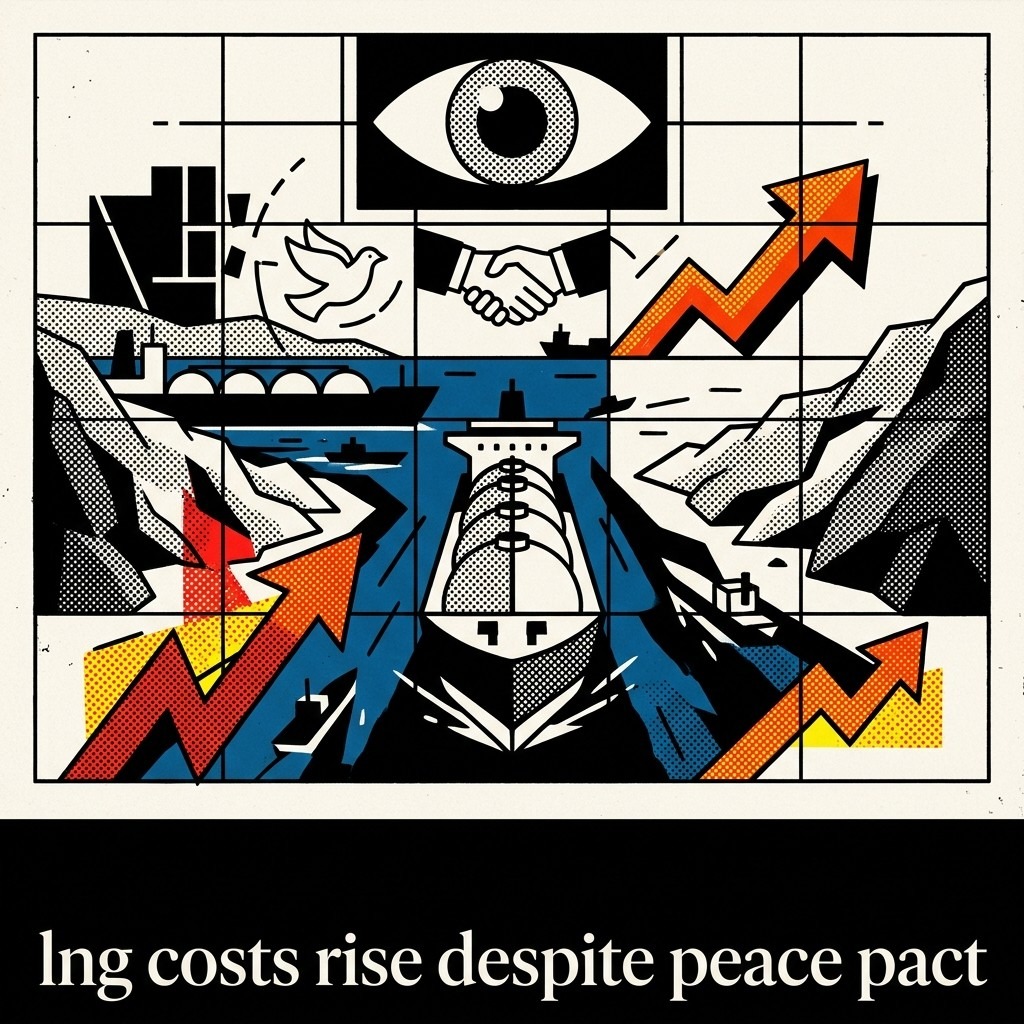
Iranian oil exports have resumed for the first time in 2 months (ZDF). While this signals a cooldown, it confirms our prior analysis: spot-price theatrics cannot override structural energy risks. Until shipping insurance premiums for the Strait of Hormuz drop significantly, the risk premium remains baked into the market, regardless of ceasefires.
Life Sciences as Infrastructure
Europe’s pharmaceutical sector is stagnating, lacking the connective tissue between capital and R&D (Politico). Treating life sciences as a legacy industrial crown rather than modern, integrated infrastructure ensures Europe will continue to lag behind more agile, ecosystem-focused competitors.
Milan’s Oversight Gap
The harassment scandal in Milan’s transit network underscores a breakdown in public accountability (Il Sole 24 Ore). When surveillance tools are weaponized by internal staff, the failure is one of operational enforcement, not technology.
Digital Note: European reliance on proprietary US AI stacks, such as “Fable 5,” remains a defining structural vulnerability (Politico).
Catch the next Gist for the continent’s moving pieces.