The Global Overview
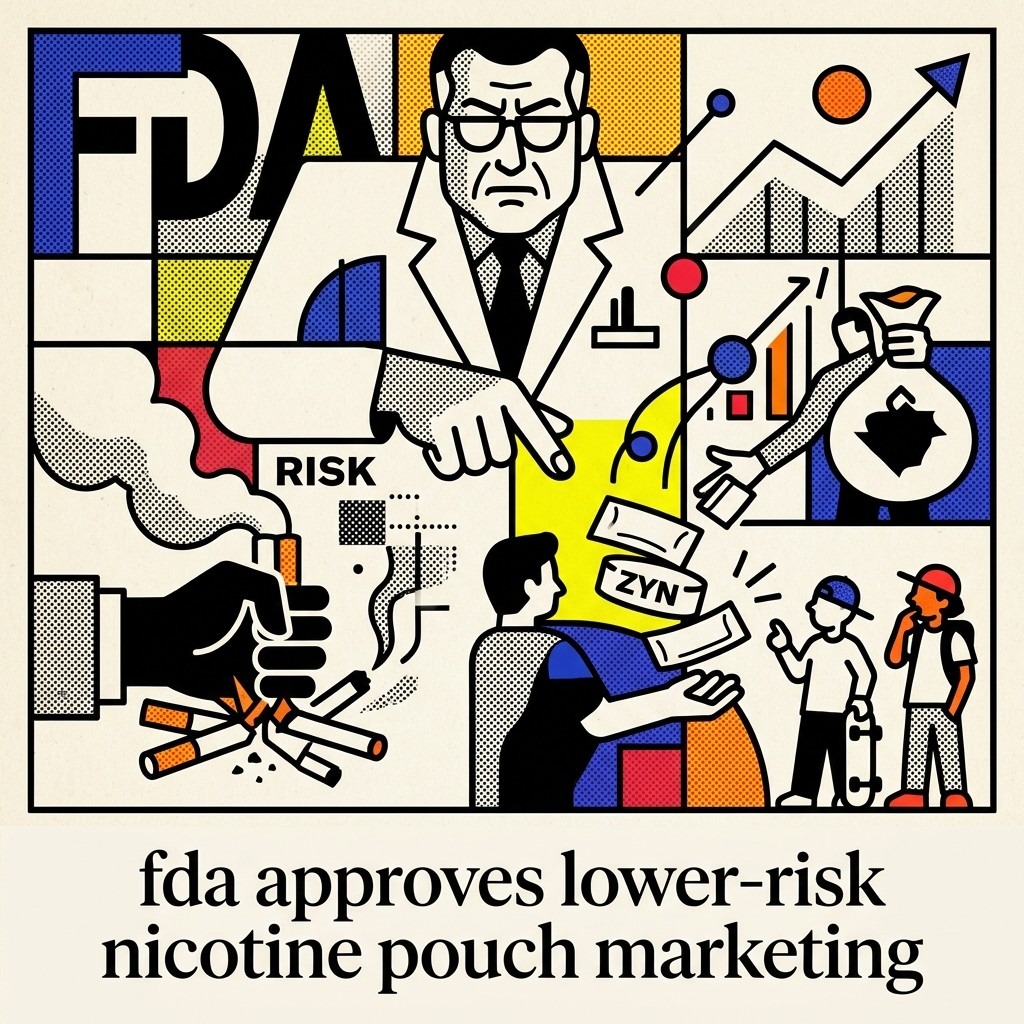
FDA Authorizes Zyn Risk Claims
By allowing the tobacco-free nicotine pouch Zyn to market itself as less harmful than cigarettes, the FDA—the US federal agency regulating food, drugs, and tobacco—embraced empirical harm reduction (Wired). The ruling lets American multinational tobacco company Philip Morris International state 20 Zyn variants carry lower disease risks. This proves transparent market alternatives beat prohibitionist purism, leveraging corporate profit motives to obsolete combustible cigarettes. It validates Philip Morris’s $16 billion acquisition of Zyn’s original manufacturer in 2022 (FT). However, since pouches attract non-smoking youth, the label risks expanding aggregate nicotine addiction rather than substituting cigarette use.
Argentina Defers $6 Billion Debt
Argentina’s central bank extended maturities on $6 billion in repurchase agreements, or repos, to ease its debt burden (Bloomberg). This rollover explicitly pushes obligations past the 2027 presidential election, prioritizing near-term political survival.
AI Inflates Hardware Costs
Consumer electronics prices are climbing sharply (Wired). This inflation stems from a structural memory chip shortage driven by AI frontier models, marking a systemic resource reallocation from retail goods to tech infrastructure.
DeepMind Resists Unionization
Google DeepMind employees voiced frustrations during Wednesday unionization negotiations, citing senior executives’ unwillingness to engage with organized labor (Axios). This exposes friction between management seeking unconstrained capital deployment and specialized workers demanding leverage.
Stay tuned for the next Gist—your edge in a shifting world. The Gist remains independent and reader-supported. If you value news free from corporate or state interests, consider supporting our mission with a donation.
|