The Global Overview
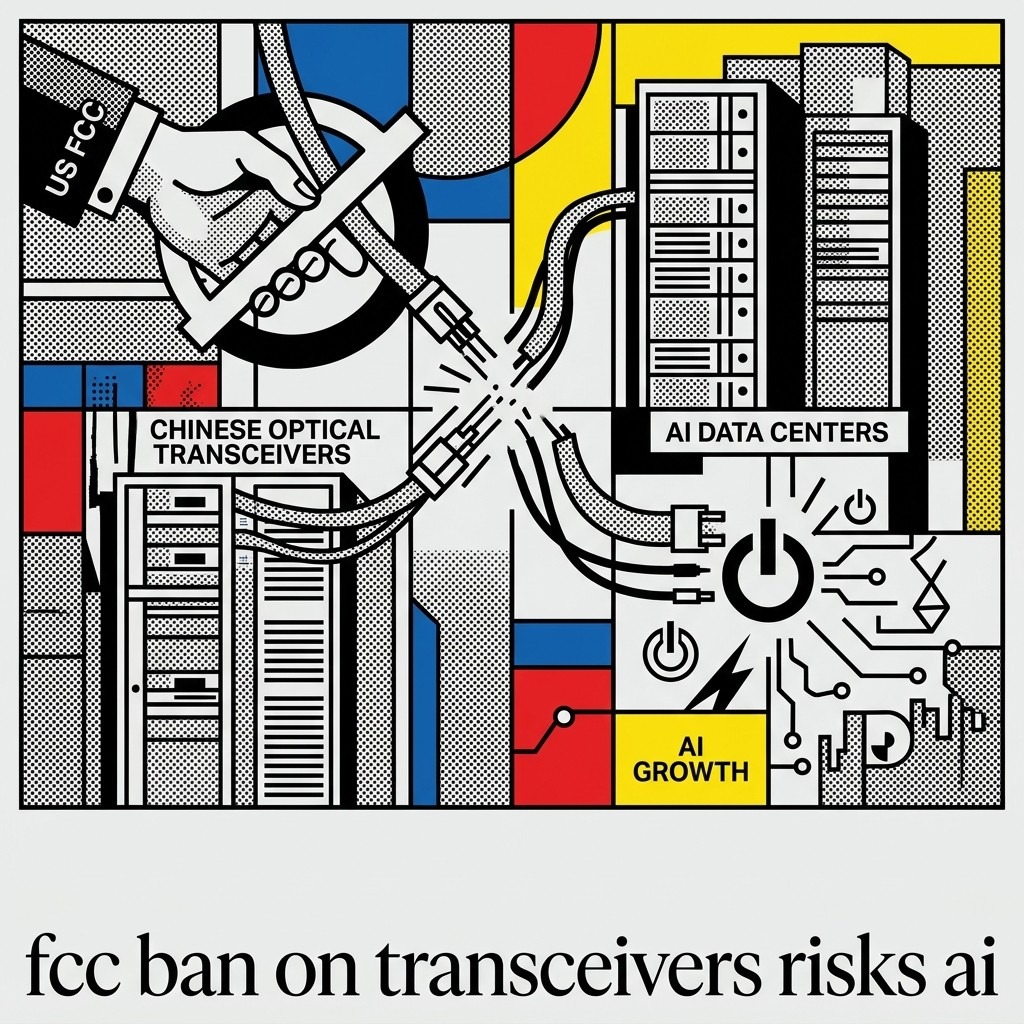
US AI Infrastructure Chokepoint
The US Federal Communications Commission, an independent regulatory agency, drafted a ban on Chinese optical transceivers (Reuters). Expanding protectionist controls from logic chips to network hardware risks self-sabotaging America’s AI boom. Zhongji Innolight, a major Chinese manufacturer of high-speed optical transceivers used in AI data centers, commands 27% of 2025 revenue, drawing 60% from the US; shares dropped 10% (FT). Securing hardware against interception is a legitimate national security priority, but the AI bottleneck remains the physical hardware connecting GPUs. Like Europe’s reliance on Palantir, a US data analytics and software company known for its defense and intelligence contracts, this exposes digital autarky’s limits: Europe requires American software, and the US requires Chinese manufacturing for AI centers.
US-Brazil Diplomatic Standoff
The US State Department revoked the Brazilian ambassador’s visa, deepening a diplomatic crisis (WSJ). This escalation heightens tensions with the Trump administration directly before Brazil’s October elections.
Evaluating Fiscal Nudges
The National Bureau of Economic Research, a leading US non-profit economic research organization, analyzed over 1,200 estimates comparing behavioral policies to price interventions. Nudges equate to massive interventions, like an 11% electricity tax, offering higher marginal returns despite price instruments generating larger surplus at scale.
Stay tuned for the next Gist—your edge in a shifting world. The Gist remains independent and reader-supported. If you value news free from corporate or state interests, consider supporting our mission with a donation.
|




Leave a Reply