The Global Overview
OpenAI Alters Design to Avoid Liability
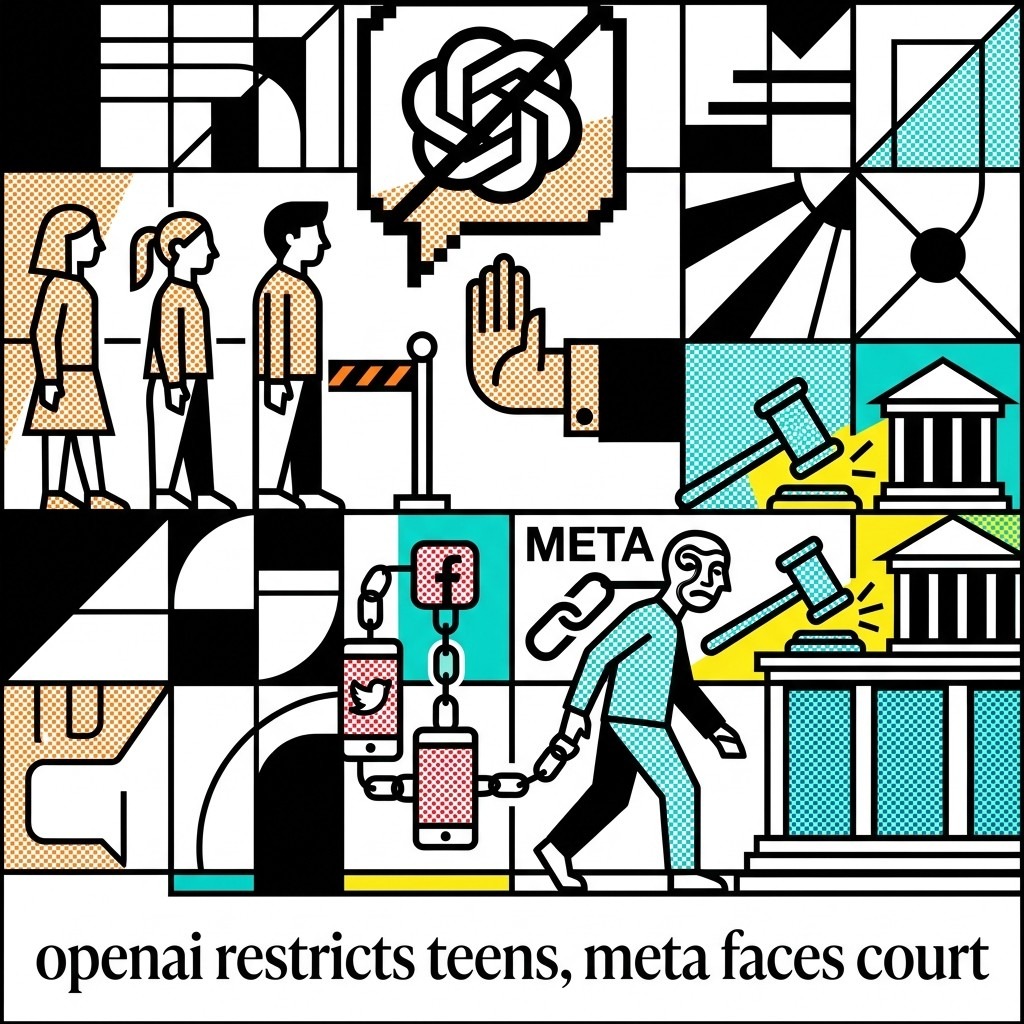
On August 18, OpenAI launched a restricted ChatGPT version for users aged 13 to 17, featuring a ‘study mode’ and strict content locks (The Guardian). This rollout is a calculated defensive maneuver. As we anticipated, the legal strategy equating platforms to chemical addiction has reached trial, with Meta facing 29 state attorneys general in a California federal court on August 18 over youth addiction claims (Associated Press). Segmenting generative AI based on age genuinely protects vulnerable adolescents from interacting with unconstrained models that can output harmful material. Yet, these new controls operate primarily as a structural legal barrier against the product liability strategies targeting social media. The threat of US state-level litigation is now actively dictating the fundamental design of artificial intelligence, forcing developers to prioritize preemptive self-regulation to avoid court-mandated restrictions (Bloomberg).
Zambia Election Secures Copper Output
President Hakainde Hichilema secured a second five-year term on August 18 with 61.4% of the vote, defeating challenger Brian Mundubile (WSJ). Hichilema’s administration pledges to triple Zambia’s copper production by 2031, capitalizing on surging raw material demand for the global energy transition. This electoral outcome directly benefits international mining capital, which requires strict regulatory predictability to fund long-term extraction projects. The vote guarantees continued foreign investment into Zambia’s mineral supply chains, securing resource extraction without the immediate risk of administrative interference or policy reversal.
Stay tuned for the next Gist—your edge in a shifting world. The Gist remains independent and reader-supported. If you value news free from corporate or state interests, consider supporting our mission with a donation.
|



Leave a Reply