Trump says he is open to a three-way meeting in China in November, according to ZDF and Euronews. Kyiv would not take part and has criticised its exclusion sharply (ZDF). The structural effect is that terms affecting Ukraine’s borders and security could be discussed by the two states with the most leverage over the war. Beijing would host, which raises its standing as broker. Moscow gains because its improved negotiating position is acknowledged without concessions on its side. European governments, which are funding much of Ukraine’s budget, would be asked to pay for an outcome they did not negotiate.
Pope Leo XIV also spoke with Zelenskyy, the Vatican said. He is pressing for a humanitarian truce in the besieged city of Oleshky so that aid can arrive and civilians can leave (Euronews).
Trump floats a November summit with Putin and Xi, and Ukraine is not invited
Macron and Merz move toward a budget compromise as the Commission turns to the Arctic
Macron and Merz appear to be finding common ground in the EU’s long-term budget talks, a sign of progress after delays over climate, migration and Ukraine money (Politico). A France-Germany deal usually sets the frame that the other 25 members then negotiate around. In parallel, the Commission is unveiling an Arctic security strategy. It cites Russia’s military build-up, Chinese exploration of new shipping routes, and Trump’s Greenland ambitions (Politico). A strategy can unlock new defence and infrastructure spending in the north, but the money has to come from the budget Paris and Berlin are still negotiating.
French shopkeepers count the cost of looting
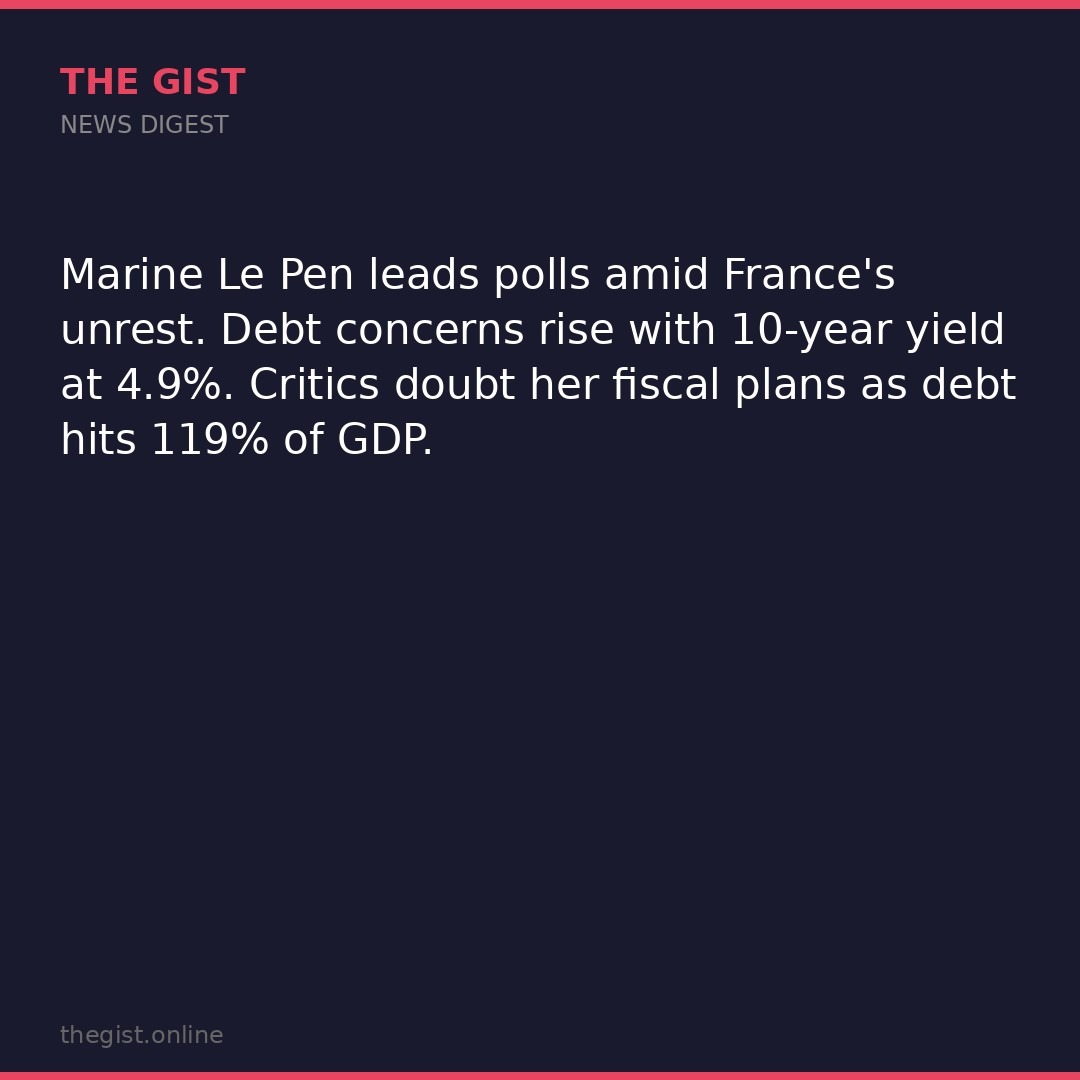
Retailers across France face the aftermath of a night of rioting and looting. Some fear for their businesses and their staff (Euronews). The costs fall first on small firms and their insurers, then on municipal budgets. They land as Paris tries to hold down its deficit, which narrows the government’s room to compensate them. The political gain goes to opposition figures such as Marine Le Pen, who can present herself as the alternative to a government stretched by unrest.
Nvidia’s Huang says Germany is behind in AI; a French assistant enters the consumer market
Jensen Huang, Nvidia’s chief executive, warned that Germany is falling behind in the AI race (Euronews). Le Monde tested Instinct, a consumer AI agent that is available in France, unlike rivals Muse and Dots. It aims to compete with OpenAI and Meta by acting unprompted and monitoring messaging. The value goes to whoever controls the user’s inbox and data, and that still sits mostly outside Europe.
Non-obvious angle: a Franco-German rover leaves for Phobos on a Japanese rocket
The German-French rover Idefix is on its way to Mars’s moon Phobos on a Japanese mission. It is due to arrive in 2029, with samples to be sent to Earth two years later (ZDF). European instruments are flying on Japanese launch capacity, so Europe is buying access to space from partners rather than building it.
Catch the next Gist for the continent’s moving pieces.