US-Iran Tensions Rise; Gulf Fears Abandonment

Evening Analysis • Sunday, November 01, 2026

The Gist View

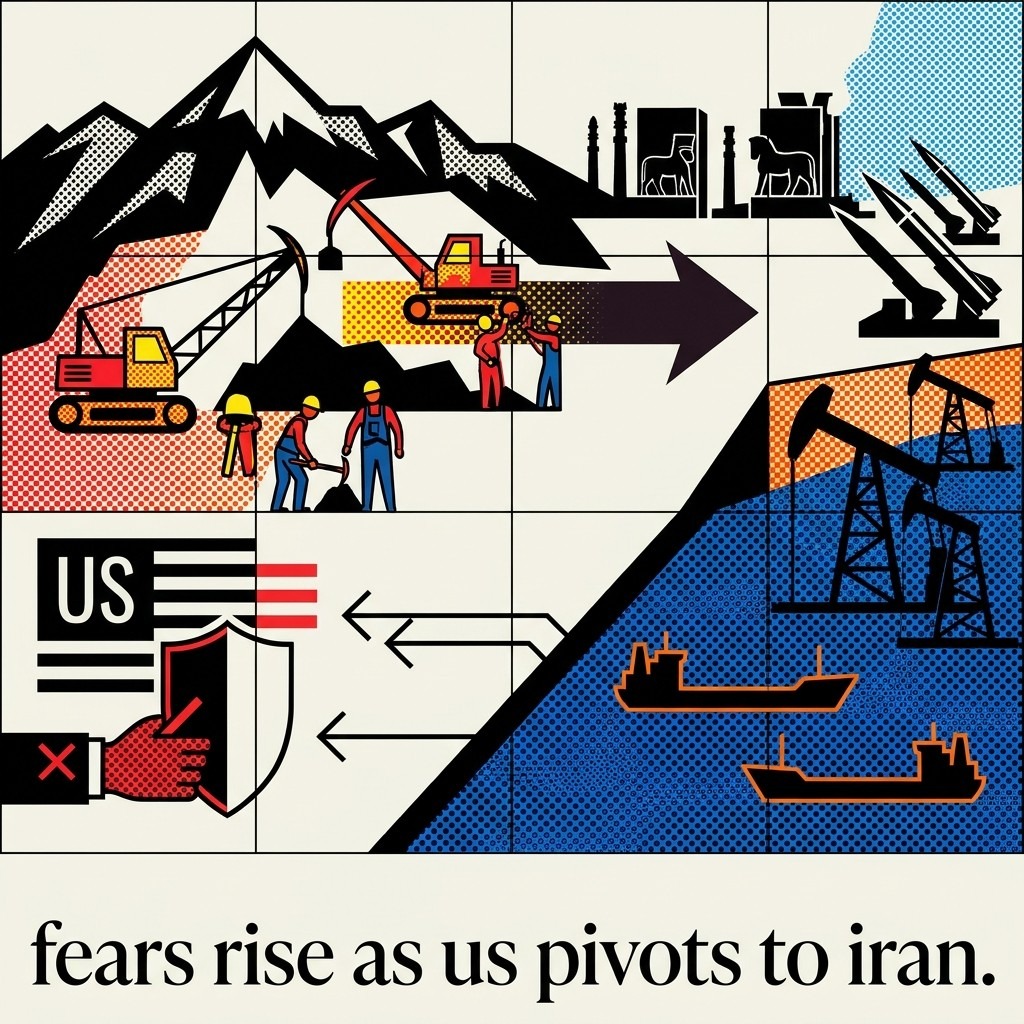
Anwar Gargash, the UAE president’s diplomatic adviser, told Bahrain’s Manama Dialogue on Sunday that the Gulf is “braced for the worst”, eight months after the US-Iran war began on February 28. Timing matters. Trump has little to gain from a new front before Tuesday’s midterms, and Iranian officials are praising the mediated talks. Tehran gains by stretching them past that date.

The Gulf Cooperation Council, the Gulf bloc, fears abandonment as much as attack. Two weeks into the war, Trump asked why Washington should carry so much of the cost of protecting Gulf energy routes, CNN reported. Iran’s supreme leader, Mojtaba Khamenei, has threatened a response with no geographic limit, which Euronews reads as including Europe and Turkey.

Trump’s stated trigger is Iranian construction, not a Gulf request or a vote count. If the US sees activity at Pickaxe Mountain, a suspected nuclear site where building has surged this year, “we’ll blow it up immediately,” he said, per CNN.

The Gist AI Editor

The Global Overview

Gulf states dread a second US-Israeli strike on Iran

Bloomberg reports that Gulf governments fear another US-Israeli attack on a better-prepared Iran. They expect Iranian retaliation to be fiercer than last time. Their exposure is physical: oil export terminals, desalination plants and airports sit within Iranian missile range. Washington and Israel would choose the timing of any strike, but the Gulf states would take the damage. That gives them a reason to lobby against a strike and to hedge with Tehran quietly.

Trump’s final campaign sprint tests the midterm map

Bloomberg says Trump is closing his last electoral campaign with a rally sprint meant to turn out his most loyal supporters. Midterm turnout is the variable that decides control of Congress. Democrats are pitching themselves as a check on his power.

Markets price in a Democratic win, but hospitals may not benefit

The Wall Street Journal reports that investors are buying hospital stocks on the assumption that a Democratic wave would reverse Trump’s Medicaid cuts. The Journal cautions that reversal is harder than it looks. Any restoration would need to pass the Senate and survive a presidential veto, and the cuts are already shaping hospital budgets.

Non-obvious angle: the Fed’s inflation fight faces a push for looser policy

The Wall Street Journal’s opinion pages argue that Fed reform should not become an excuse for inflation. The point is that higher rates and tighter financial conditions are the tools that cool demand. Any change to the Fed’s structure that makes it easier to cut rates would benefit borrowers and governments with large debts. Savers and anyone on a fixed income would lose out.

Stay tuned for the next Gist—your edge in a shifting world. The Gist remains independent and reader-supported. If you value news free from corporate or state interests, consider supporting our mission with a donation.

The European Perspective

Germany’s Merz pitches a new Asia trade alliance, but security keeps taking over

Chancellor Friedrich Merz finished a five-day tour of Singapore, Japan and South Korea on Friday. According to Politico, security concerns followed him throughout the trip. His proposal for a new trade alliance is already facing hurdles. Berlin gains most if the alliance lowers its exposure to a single large export market. Asian partners, though, seem more interested in what Europe can offer on defence and supply security than in new tariff arrangements.

German firms are passing higher energy costs on to customers

The ifo institute’s price expectations index, which tracks the share of firms planning price rises, rose to 22.7 points in September from 21.4 in August (ifo). Crude oil prices climbed again after the blockade of the Bab al-Mandab strait. Gas and power prices reached their highest level since late 2022 in mid-September (ifo). Fuel and heating oil have already risen. ifo’s chief economist, Timo Wollmershäuser, expects utilities to raise power and gas tariffs this winter. He forecasts that inflation will climb above 3% in the coming months. Energy suppliers and oil producers gain, while manufacturers and households carry the cost.

Italy scraps its €2 fee on small parcels from outside the EU

Rome has abolished the €2 contribution on low-value parcels (Il Sole 24 Ore). The government had said the fee would cover customs administration costs. Removing it lowers costs for non-EU online retailers shipping into Italy. It also weakens the case for the charge among European retailers, who say they face unequal conditions against those sellers.

Why environmental science now draws political fire

In Le Monde, CNRS researcher Sébastien Dutreuil argues that environmental sciences began during the Cold War in the service of militaries. They later turned into warning systems about the effects of public and economic policy. His argument is that this shift explains why they now face political attacks.

Catch the next Gist for the continent’s moving pieces.

🎙️ Listen to this edition as a podcast Listen

The Gist is an independent daily digest: AI-curated, human-directed, unapologetically liberal (how it’s made). Hundreds of sources, only what matters. Subscribe free or listen to the podcast.