The Global Overview
Pharma’s Global Pivot
Sun Pharma’s $11.75 billion all-cash acquisition of U.S.-based Organon signals an aggressive consolidation in the global women’s health market. By paying $14 per share, the Indian drugmaker is effectively bypassing slow, risky R&D cycles to secure immediate, established distribution and patient bases, vaulting it into the industry’s top three players (WSJ). This move highlights a broader shift: as regulatory and clinical friction rises, capital is increasingly flowing away from speculative innovation toward the immediate acquisition of “defensible” market share.
The AI Labor Conundrum
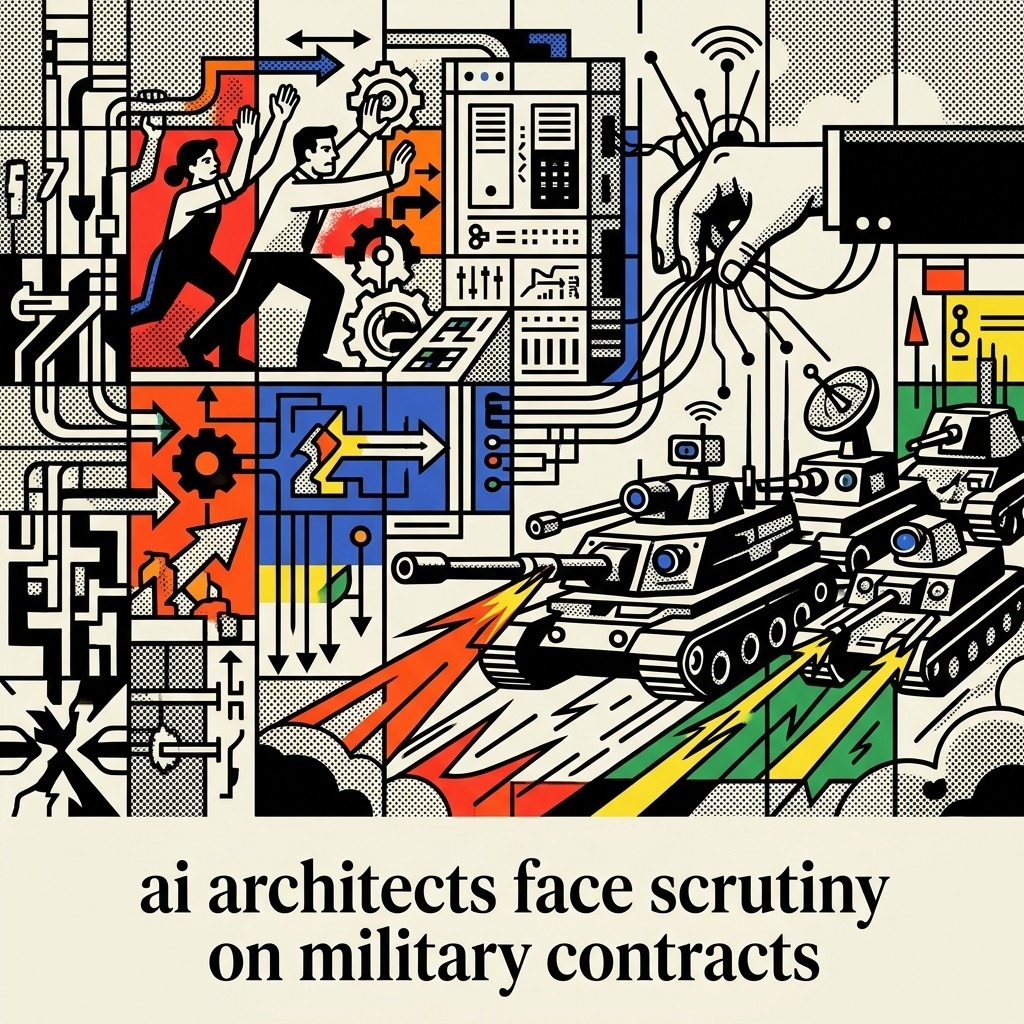
At Google, hundreds of researchers are pressuring CEO Sundar Pichai to refuse military-grade AI development, creating a significant labor-management standoff (Bloomberg). This friction exposes a growing leverage gap where the essential human capital—the engineers building the systems—are asserting moral veto power over corporate strategy. When the creators of critical infrastructure refuse to align with defense-industrial integration, companies face a systemic bottleneck that could stifle the state’s ability to leverage AI, regardless of government budget or executive intent.
Corporate Capital Entanglements
Nvidia faces a complex strategic conflict as Elon Musk’s SpaceX prepares to acquire AI-coder Cursor (Bloomberg). As both a major investor in Cursor and the primary chip supplier powering its software, Nvidia risks cannibalizing its own neutrality. When capital investments and supply chain dependencies overlap this tightly, corporate giants lose their role as the “neutral” utility providers of the AI era, forcing them into navigated conflicts that expose them to unpredictable regulatory and competitive risks.
Sovereign Capital Defense
Canada is launching the “Canada Strong Fund,” a sovereign wealth fund aimed at insulating domestic industries against President Trump’s protectionist trade policies (WSJ). By directing state capital toward specific trade corridors and resource projects, Ottawa is moving to build structural resilience against U.S. economic friction. This shift from reliance on open markets to active state-led industrial capital reflects a tightening of North American trade dynamics, where infrastructure is becoming a primary tool for geopolitical self-defense.
Stay tuned for the next Gist—your edge in a shifting world. The Gist remains independent and reader-supported. If you value news free from corporate or state interests, consider supporting our mission with a donation.
|