The European Perspective
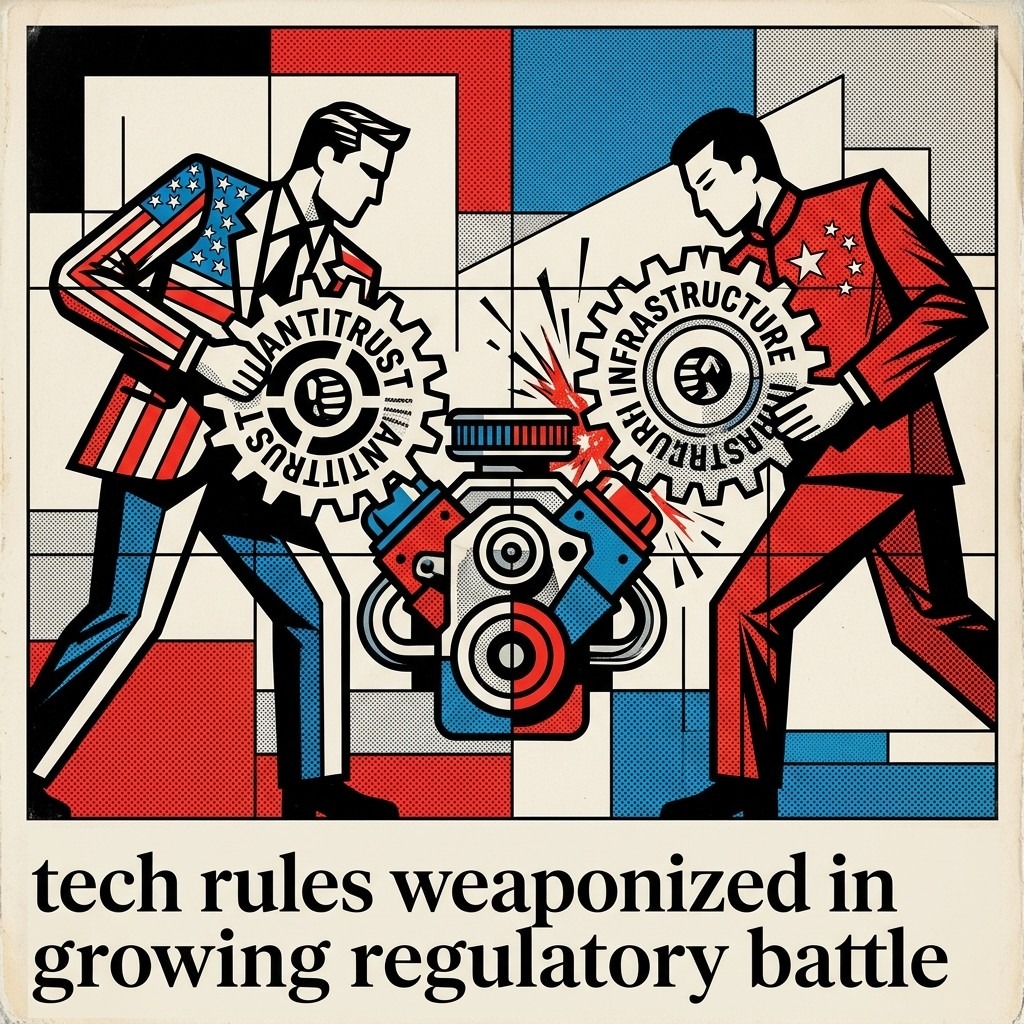
The U.S.-China Trade Reset
President Trump departed for China on May 13 to negotiate direct market access (DW). This is not mere diplomatic posturing; it is a strategic leverage play. By embedding business leaders in the delegation, Washington is signaling that trade stability is now contingent on the dismantling of specific, long-standing market barriers. Capital flows will likely pivot toward sectors where China remains insular, with the administration framing reciprocity as the new baseline for avoiding further tariff escalation.
Telecoms Caught in Regulatory Net
Italy is extending its ban on aggressive telemarketing to include telecom providers, marking a sharp pivot toward treating digital connectivity as essential utility rather than a discretionary marketplace (Il Sole 24 Ore). This systemic shift forces a business model overhaul: telcos must abandon bulk, intrusive solicitation in favor of permission-based customer acquisition. Expect short-term margin compression as companies struggle to maintain user growth without the blunt force of cold-calling.
The Prenatal Flavor Economy
Research suggests that fetal exposure to specific flavors dictates future vegetable consumption, moving the battle for healthy eating from the high chair to the womb (The Guardian). This creates a non-obvious frontier for health economics: preventative nutrition interventions could be targeted at the prenatal stage. If health systems integrate flavor exposure as standard care, it shifts long-term incentives for insurers and the branding strategies of organic food suppliers.
The Retreat of French Vacation Clubs
French non-profit holiday clubs, once the backbone of the 1960s-70s labor model, are struggling to survive against high-capital, commercial competitors (Le Monde). As inflation forces these associations to pivot toward upscale, higher-margin branding, the “democratization of leisure” is ceding ground to commercial efficiency.
Catch the next Gist for the continent’s moving pieces.
|