The Global Overview
US Prioritizes Venezuelan Regime Over Democratic Opposition
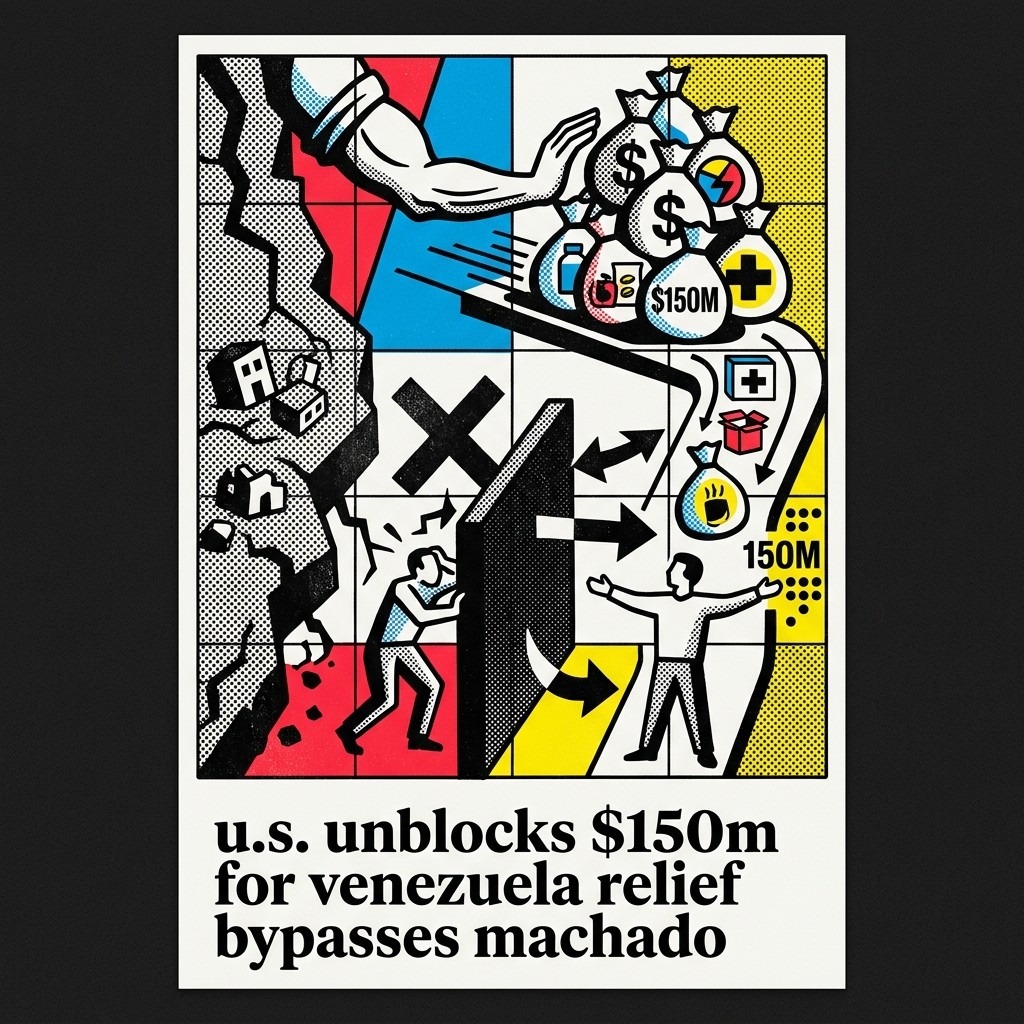
Distributing $150 million in relief after the June 24, 2026 earthquakes exposes a realpolitik tradeoff: disaster logistics require cooperating with authoritarian regimes (Reuters). With over 1,400 dead, disasters entrench incumbents because aid utilizes existing state capacity (US Geological Survey). Washington bypassed María Corina Machado, the exiled leader of the Venezuelan democratic opposition, routing resources directly through Delcy Rodríguez, acting President of Venezuela and former deputy to Nicolás Maduro. The White House rejected Machado’s return (Bloomberg). Delaying aid for political concessions guarantees preventable mass casualties.
US Immigration Enforcement Expansion
On June 27, 2026, President Trump nominated former Oklahoma state trooper Lance Schroyer to lead US Immigration and Customs Enforcement (ICE), the federal agency responsible for border security and deportations, which has lacked a Senate-confirmed director since early 2017. Schroyer expanded 287(g), a US federal program that delegates immigration enforcement authority to state and local police. Since the end of the Biden administration, enrolled agencies surged from 135 to 2,033 across 39 states.
Modular Defense Procurement
US defense contractors are developing modular workshops modeled on fast-food franchises to mass-produce cheap missiles (FT). This decentralized strategy mitigates severe bottlenecks in the highly concentrated American defense-industrial base. Meanwhile, the UK debate over the capital required to upgrade public utilities into ‘AI companies’ underscores our position: macroeconomic AI integration remains severely bottlenecked by physical hardware constraints.
Stay tuned for the next Gist—your edge in a shifting world. The Gist remains independent and reader-supported. If you value news free from corporate or state interests, consider supporting our mission with a donation.
|