The Global Overview
NASA Commercial Space Stations
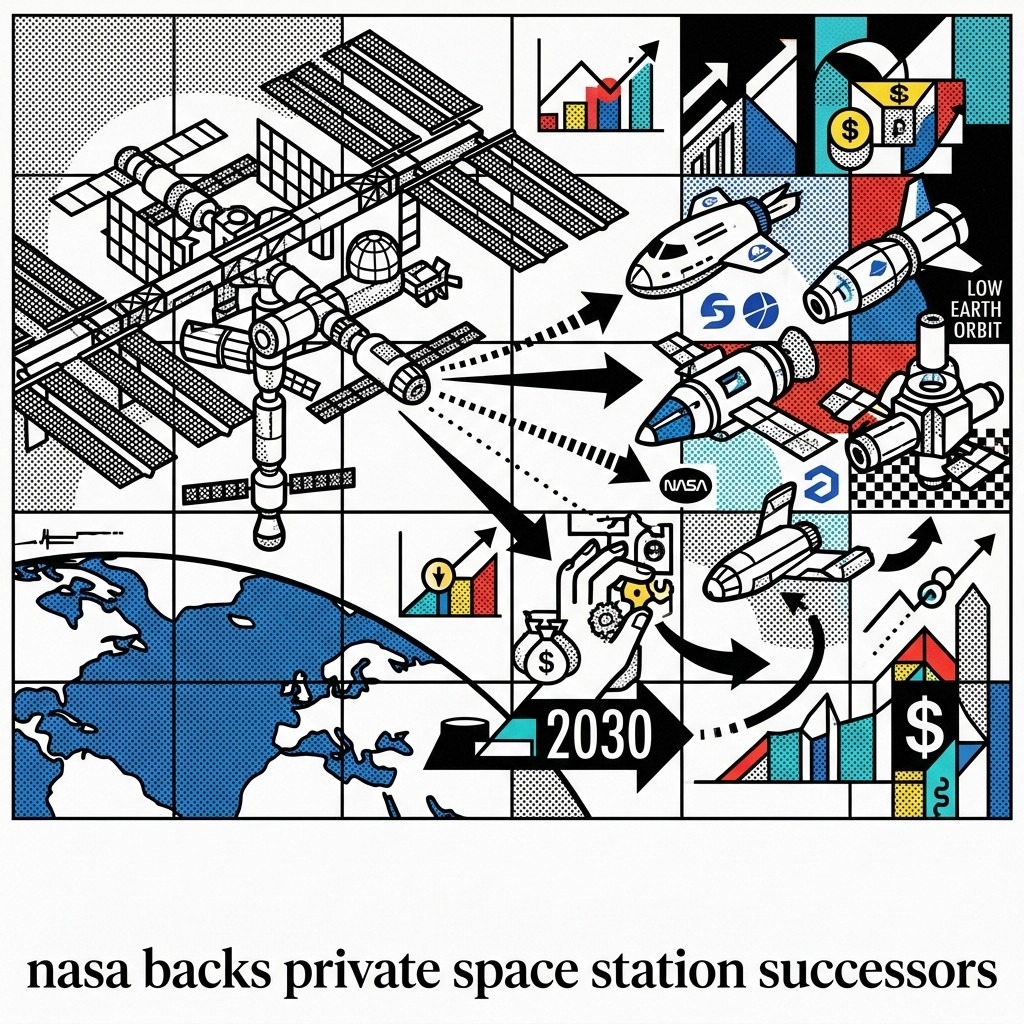
On July 6, NASA released a draft Request for Proposals (RFP)—a formal bid solicitation—for its Commercial LEO Destinations (CLD) strategy to replace the International Space Station by 2030 (NASA News Feed). Reverting to funding free-flying commercial platforms, NASA abandoned its March 2026 plan for a government-owned module in Low Earth Orbit (LEO) (Payload Space). Administrator Jared Isaacman confirmed a “viable commercial marketplace exists” where the government will act as just one customer (SpacePolicyOnline). This forces space providers to secure independent private capital for full orbital infrastructure rather than plugging into a taxpayer-funded hub. Yet, complete privatization risks a dangerous gap in U.S. orbital presence if commercial markets fail to generate enough revenue to sustain autonomous stations before the 2030 ISS retirement.
Trans Mountain Pipeline Expansion
Trans Mountain Corp will build a new 1 million-barrel-a-day oil pipeline along its existing Alberta-to-British Columbia route, reigniting Indigenous efforts to acquire an equity stake in the asset (Bloomberg). Both this initiative and NASA’s orbital strategy rely on transferring state-managed infrastructure to non-state actors to unlock private capital and shift long-term financial risk away from the taxpayer.
Boston Airport Municipal Bonds
Boston Logan Airport, the busiest aviation hub in New England, is issuing $812 million in municipal bonds to remodel facilities and manage a surge in passenger traffic (Bloomberg).
Stay tuned for the next Gist—your edge in a shifting world. The Gist remains independent and reader-supported. If you value news free from corporate or state interests, consider supporting our mission with a donation.
|