The Global Overview
Samsung Electronics
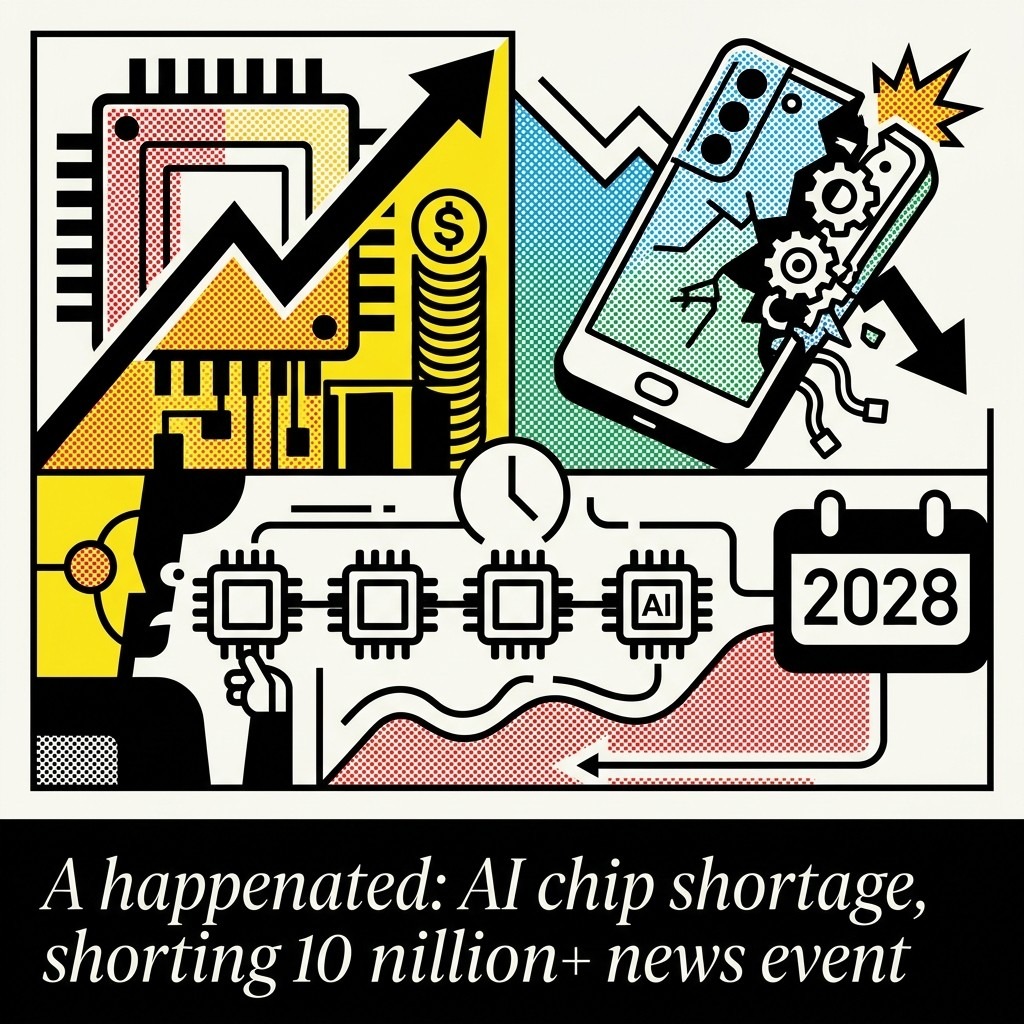
Samsung’s Q2 earnings contradict prior concerns over South Korea’s chip market, proving AI demand overpowers US export constraints. The semiconductor division posted an 89.2 trillion won ($61.7 billion) operating profit, up over 250-fold year-over-year (Bloomberg). Yet this boom structurally cannibalizes consumer hardware margins. Memory chips enriching the semiconductor arm act as an extractive internal cost, forcing the Mobile eXperience division into its first-ever operating loss of 700 billion won (TrendForce). Though this remains a temporary shock as pricing adjusts to higher memory costs and aggregate profit surged 19-fold, executives warn AI chip shortages will exacerbate through 2027 and 2028.
US Federal Science Agencies
The White House and National Science Foundation, an independent US government agency that supports fundamental basic research, launched a $47 million pilot funding 250 technical PhDs spending one year at corporate partners. Concurrently, NASA’s Innovative Advanced Concepts (NIAC), a program funding early-stage aerospace technologies, awarded $3.2 million across 18 grants. Both reflect a state-driven shift from unrestricted basic science toward applied research, explicitly tying public funding to immediate commercial utility.
US Federal Reserve
The US Federal Reserve held interest rates steady at its July 29 meeting. Gold advanced in Asian trading as markets absorbed the lack of monetary easing (WSJ).
Stay tuned for the next Gist—your edge in a shifting world. The Gist remains independent and reader-supported. If you value news free from corporate or state interests, consider supporting our mission with a donation.
|




Leave a Reply