The Global Overview
Energy Logistics at a Chokepoint
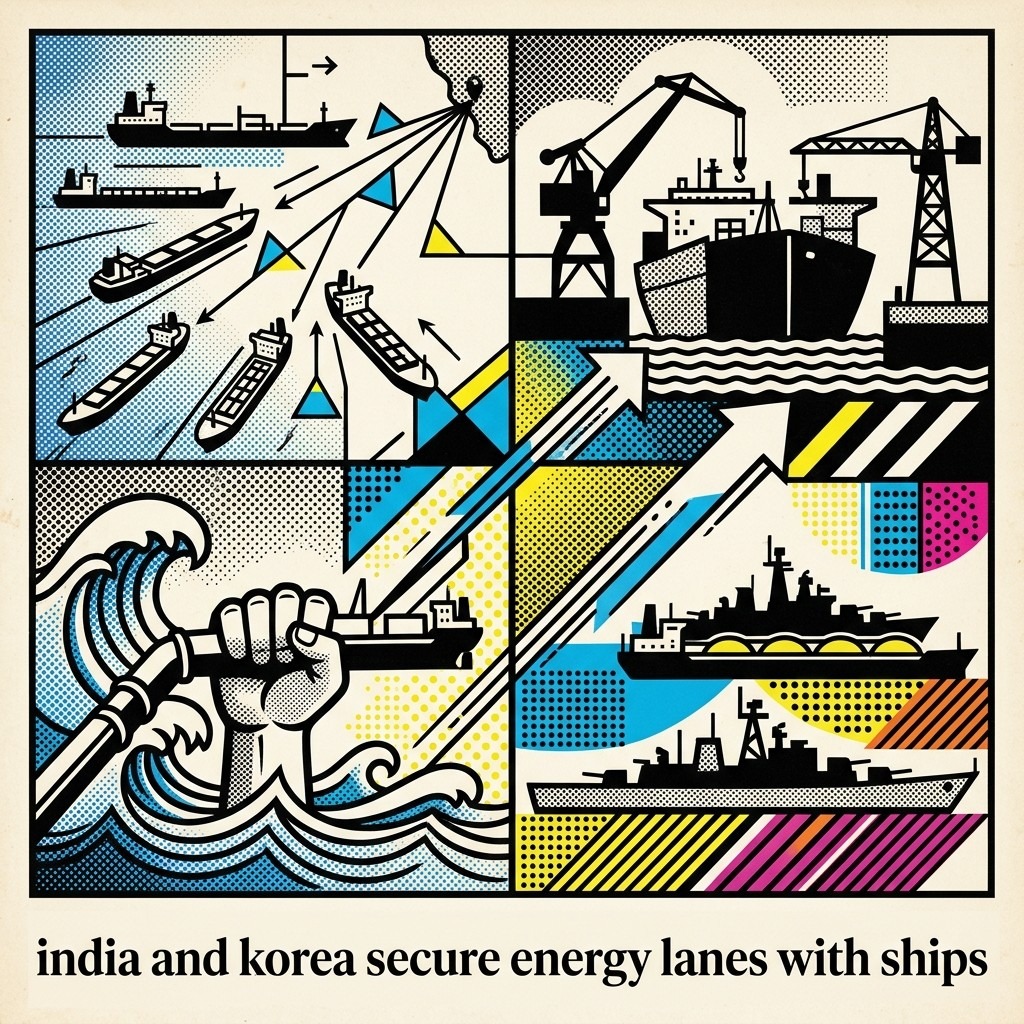
As the Strait of Hormuz blockade persists, the US has boarded a sanctioned oil tanker—the first such intervention since February. This marks a pivot from passive monitoring to active enforcement, acting as a bouncer clearing a bottleneck to keep global energy supply lines moving. Maritime dominance remains the definitive mechanism for securing capital when geopolitical friction spikes, ensuring that major energy transit routes do not succumb to total paralysis.
Institutional Realignment at the Fed
Kevin Warsh’s Fed confirmation highlights the structural tension between executive authority and institutional independence. His insistence that rate-setter autonomy is not “particularly threatened” (FT) serves as a strategic signal to markets. The systemic incentive is binary: if investors believe the central bank bends to political whims, risk premiums will spike, creating the exact market volatility the current administration seeks to avoid.
Restoring Energy Arteries
Ukraine’s restart of Russian oil pipeline flows (FT) stabilizes state revenue. It underscores the grim pragmatism of commodity transit: even in active conflict, infrastructure must remain functional to support fiscal solvency, creating a begrudging, temporary interdependence between belligerents to prevent total economic collapse.
The ‘Average is Over’ Labor Trap
New data reveals a stark systemic friction: the “Average is Over” generation. One in three graduates now earn less than reasonable expectations (Marginal Revolution). As AI reshapes output, higher education is no longer a guaranteed hedge against devaluation, bifurcating human capital into essential, high-leverage operators or easily replaceable variables.
Stay tuned for the next Gist—your edge in a shifting world. The Gist remains independent and reader-supported. If you value news free from corporate or state interests, consider supporting our mission with a donation.
|